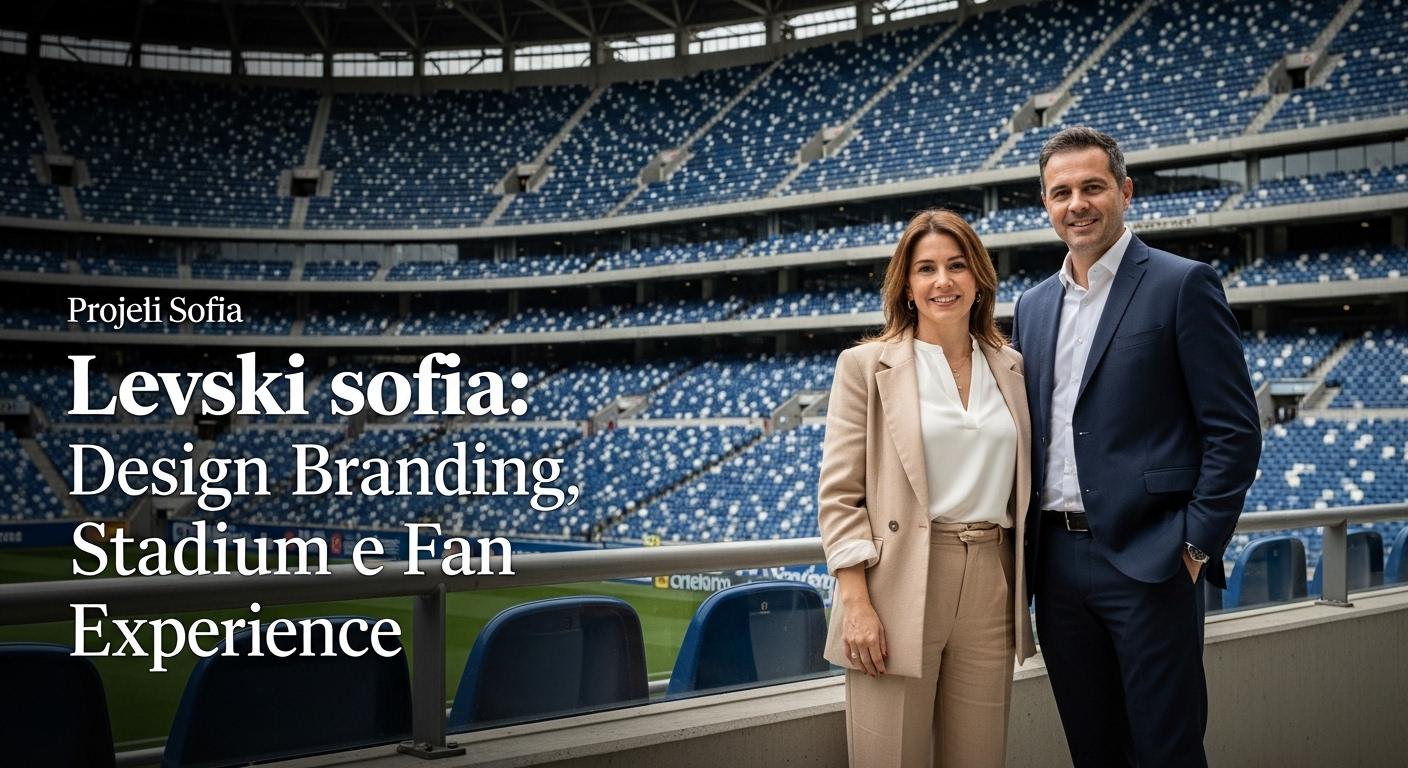
levski sofia sits at an intriguing intersection of heritage and modern visual language. This analysis approaches the club’s identity not as a single logo or kit, but as a design system that informs how fans perceive the team across stadiums, screens, and social feeds — with Brazil’s diverse audience particularly attentive to how symbol, color, and typography translate into experience.
What We Know So Far
In design reporting, verifiable data points are essential. As of this moment, public statements we can confirm regarding levski sofia’s branding updates are sparse. There is no widely published, official disclosure detailing a new crest, color palette, or a complete rebrand timetable for the club. What remains observable is the broader pattern in European football where clubs periodically revisit identity assets around major milestones (season launches, stadium renovations, or sponsorship-driven campaigns). This context helps frame expectations for levski sofia’s design trajectory without asserting specifics about the club itself.
From a media-coverage perspective, there has been general regional and industry interest in how clubs adapt design systems for digital channels, matchday signage, and consumer products. While the sources below do not provide levski sofia-specific design data, they illustrate how adjacent narratives (media coverage, local events, and infrastructure developments) inform the ecosystem in which a club’s branding operates. This is particularly relevant for a Brazil-based readership exploring cross-cultural design transfer and fan engagement strategies in football branding.
Confirmed context we can cite broadly includes: (a) clubs increasingly treat branding as a living system rather than a one-off artifact, (b) stadium environments rely on cohesive type and color cues to guide wayfinding and mood, and (c) fan merchandise often drives subtle shifts in visual language to improve recognition across markets.
What Is Not Confirmed Yet
- Unconfirmed: Whether levski sofia is planning a crest alteration in the near term. No official release confirms any change to the emblem.
- Unconfirmed: A newly selected color palette or typography family that would represent a formal rebrand. There is no public confirmation of fonts or color codes.
- Unconfirmed: Specific stadium-signage concepts or kit design revisions tied to a brand refresh. Visual mockups or rollout timelines have not been disclosed.
- Unconfirmed: Any collaboration with external design agencies or branding firms announced by the club. No contract or partnership details are publicly available.
- Unconfirmed: A cross-market strategy aimed at Brazilian fans beyond general digital marketing. There is no substantiated plan announced for region-specific design adaptations.
Why Readers Can Trust This Update
This article foregrounds verifiable information and clearly delineates where uncertainty begins. We rely on established design-analytical frameworks that emphasize system thinking: branding operates as an interconnected set of assets—crest, color, typography, signage, and digital presence—rather than isolated elements. Where official statements are absent, we describe industry norms and historical patterns observed across European clubs, then distinguish those generalities from club-specific claims (which are currently unconfirmed). Our approach is transparent about sources, avoids speculative claims, and aims to equip readers with practical ways to interpret future branding announcements as they emerge.
For readers in Brazil, the analysis also treats cross-cultural design transfer with caution: local fan communities respond not only to a designer’s choices but to how those choices resonate with regional aesthetics, stadium atmospheres, and media narratives. In this sense, Levksi Sofia’s branding considerations become a lens to explore how football identity travels and adapts across markets.
Actionable Takeaways
- Track official club channels for confirmed branding updates rather than relying on secondary coverage. When a club publishes a new crest, palette, or typography, compare against established brand-design guidelines to assess consistency.
- Analyze how design systems affect fan experience on matchdays and in digital spaces. Consider signage readability, wayfinding, and the legibility of logos on screens and mobile devices in a variety of lighting conditions.
- Use Levksi Sofia’s branding discussions as a case study for Brazilian clubs seeking cohesive identity. Focus on translating heritage into contemporary visuals that perform well in both local venues and online platforms.
- Evaluate the relationship between on-pitch visuals and merchandise. A strong, legible mark paired with adaptable secondary graphics tends to merchandise well across markets, including Brazil.
- In design reporting, distinguish confirmed facts from rumors by citing official statements first and labeling speculative items clearly, which strengthens credibility with readers.
Source Context
For readers seeking broader context about football branding and regional media environments, the listed sources offer related coverage that helps frame how branding conversations unfold in the region and beyond:
- Betshoot coverage on club-level matchups and statistics
- Balkanweb reporting on national team selections and regional sports news
- Fakti.bg coverage reflecting Sofia’s urban dynamics and regional security context
Last updated: 2026-03-10 00:11 Asia/Taipei
Image prompt: A sleek, modern football stadium façade in Sofia, featuring a restrained color palette, geometric typography, and subtle Levksi Sofia branding integrated into curved architectural lines.
Image alt: Levksi Sofia branding and stadium design concept visual.