“Understanding the Psychology of Color in Product Design: How it Influences Consumer Behavior”
Understanding the Psychology of Color in Product Design: How it Influences Consumer Behavior
The intersection of psychology and product design is a fascinating realm where science meets creativity. One of the most influential aspects of this intersection is color psychology. Understanding how color influences consumer behavior can be a game-changer for designers and marketers alike. In this blog post, we delve into the psychology of color in product design, exploring how it impacts consumer perceptions, emotions, and ultimately, purchasing decisions.
The Basics of Color Psychology
Color psychology is the study of how colors affect perceptions and behaviors. While cultural differences can influence color interpretations, certain color perceptions are fairly universal. For instance, green is often associated with nature and tranquility, while red can evoke feelings of excitement or urgency.
Research suggests that colors can influence mood, thoughts, and even physiological reactions. For example, blue is known to have a calming effect, which is why it is frequently used in the design of hospitals and spas. On the other hand, red can increase heart rate and create a sense of urgency, making it a popular choice for clearance sales and fast-food logos.
Color and Brand Identity
Color is a powerful tool for establishing brand identity. A brand’s color scheme can significantly affect how it is perceived by consumers. For instance, tech companies often use blue in their branding to convey trust and reliability. Consider how Google, Facebook, and Twitter all incorporate blue into their logos.
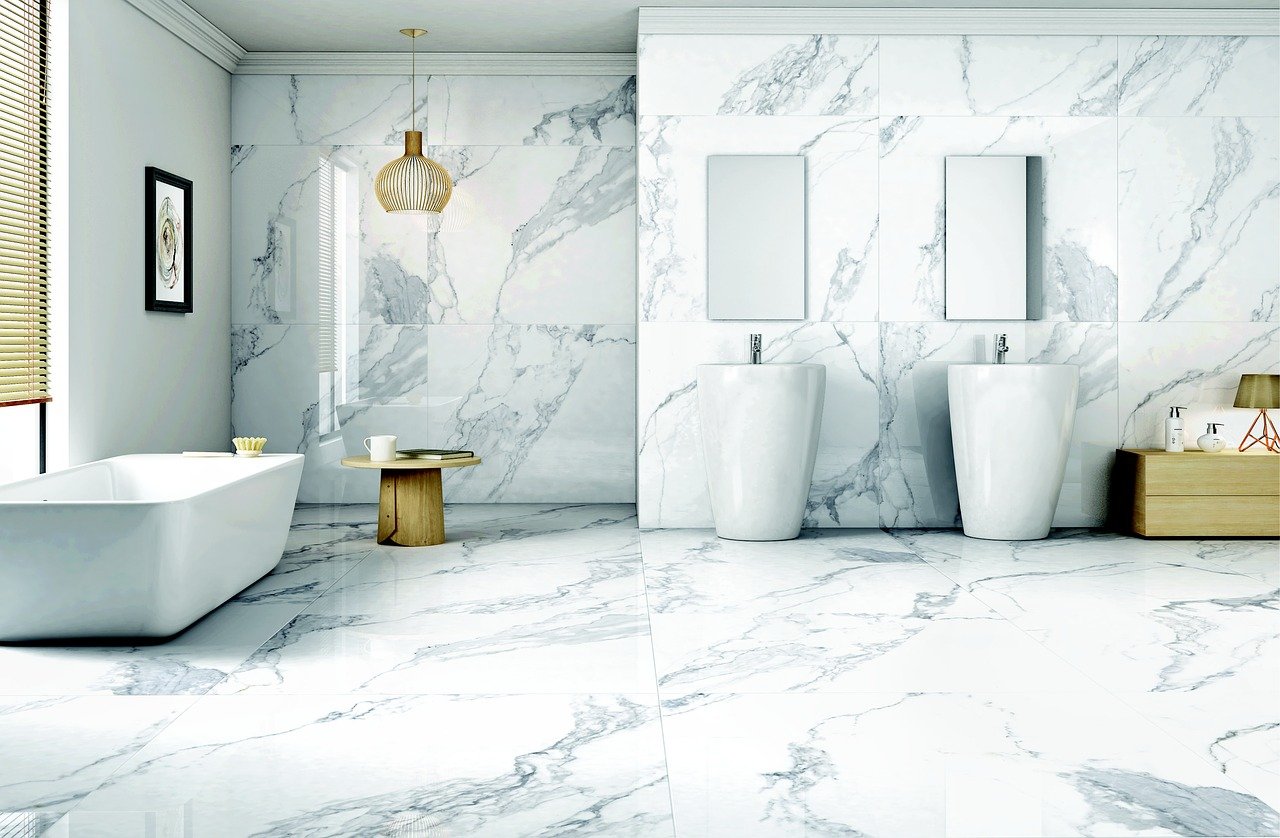
Designing a product with the right color scheme is crucial for creating a memorable brand. A well-chosen color palette can differentiate a product from competitors and evoke the desired emotional response. It’s not just about looking good; it’s about conveying the right message and values to the audience.
The Role of Color in Product Packaging
Product packaging is where color psychology truly shines. The right packaging color can attract attention, convey information, and even influence consumer behavior at the point of purchase. For instance, eco-friendly products often use earthy tones like green and brown to emphasize their natural and sustainable qualities.
Consider the effect of a bold, red package on a supermarket shelf. It stands out among more muted tones, drawing the customer’s eye and potentially increasing the likelihood of a purchase. The same principle applies to online shopping, where the colors used in product images can impact click-through rates and conversions.
Color and Consumer Emotions
Different colors can evoke different emotions, which in turn influence consumer behavior. For example, black is often associated with luxury and sophistication, making it a popular choice for high-end product designs. On the other hand, yellow is associated with warmth and positivity, often used to create a friendly and approachable brand image.
Understanding the emotional associations of colors can help designers create products that resonate with their target audience. For instance, pink is often used in products targeting a female demographic due to its association with femininity and compassion. Likewise, orange can be used to convey excitement and enthusiasm, which is why it is a common choice for sports and outdoor equipment.
Cultural Considerations in Color Psychology
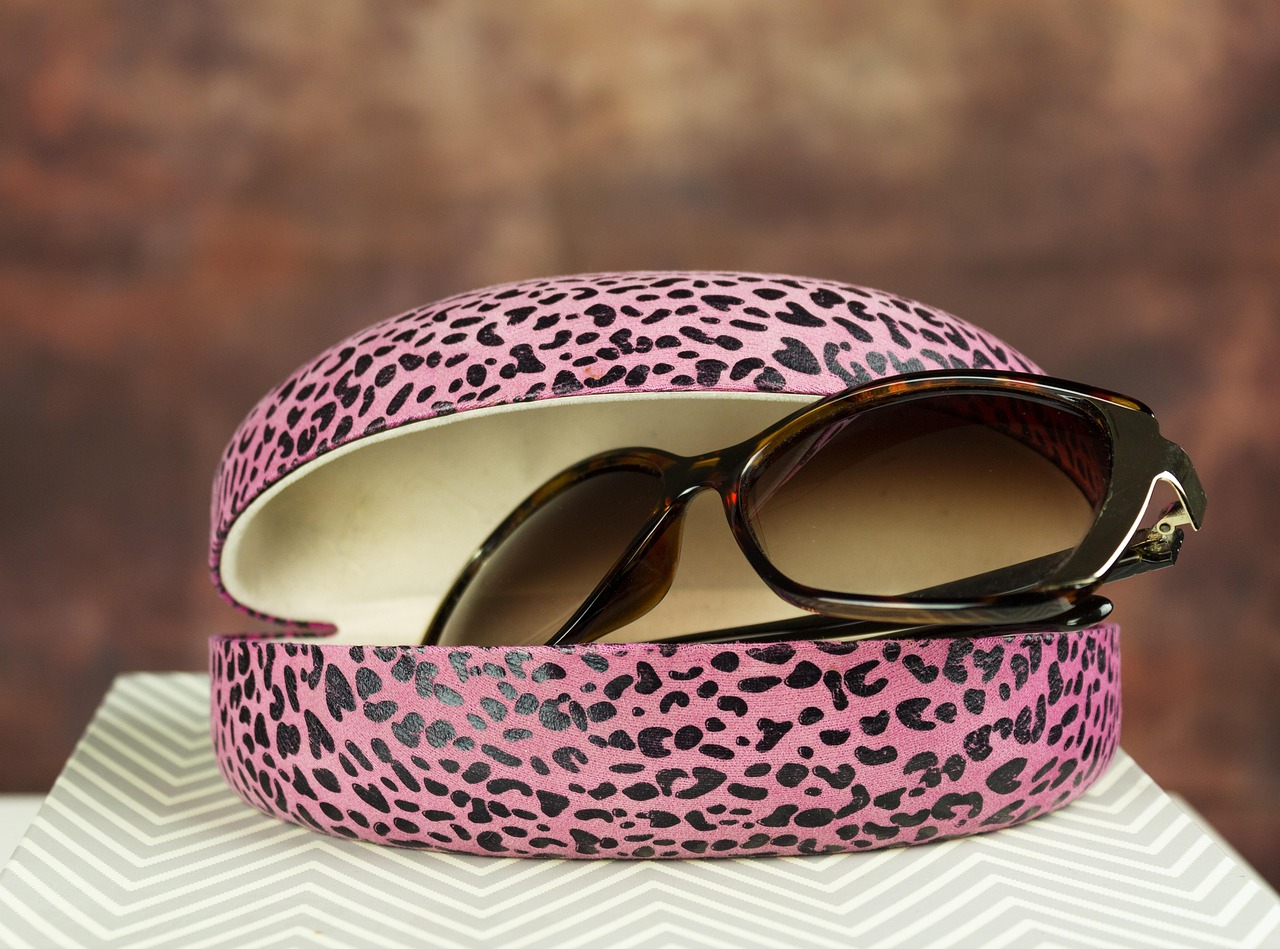
While certain color associations are universal, cultural differences can play a significant role in color psychology. For example, in Western cultures, white is often associated with purity and innocence, while in some Eastern cultures, it can symbolize mourning.
Designers must be mindful of these cultural differences, especially in the global marketplace. A color scheme that resonates with consumers in one region might not have the same effect in another. Conducting thorough market research and understanding the cultural context is essential for creating a color strategy that appeals to a diverse audience.
Practical Applications of Color Psychology in Product Design
Incorporating color psychology into product design involves a strategic approach. Designers must consider the brand’s identity, target audience, and desired emotional response when selecting colors. This involves more than just choosing a color palette; it’s about creating a cohesive color strategy that aligns with the brand’s values and goals.
For example, a health and wellness brand might use soft, pastel colors to convey a sense of calm and well-being. In contrast, an energy drink brand might opt for vibrant, contrasting colors to create a sense of excitement and energy.
The Future of Color in Product Design
As technology evolves, the use of color in product design will continue to advance. Digital tools and software allow designers to experiment with colors in new and innovative ways. Augmented reality (AR) and virtual reality (VR) experiences are opening up new possibilities for interactive and personalized color experiences.

Moreover, as consumers become more environmentally conscious, there’s a growing trend towards using natural and sustainable colors in product design. This shift reflects a broader movement towards sustainability and ethical consumption, where color choices are made with consideration for their environmental impact.
Takeaways
The psychology of color is a powerful tool in product design, influencing consumer behavior in ways that are both subtle and profound. By understanding the emotions and associations linked to different colors, designers can create products that resonate with consumers on an emotional level, enhance brand identity, and drive purchasing decisions.
As we move forward, the role of color in product design will continue to evolve, shaped by technological advancements and cultural shifts. By staying informed and adaptable, designers can leverage color psychology to create compelling, impactful designs that captivate and engage their audience.
One of the most intriguing aspects of color psychology in product design is its ability to adapt and evolve. As consumer preferences change and new technologies emerge, the application of color in design must also transform. Designers are now exploring innovative ways to integrate color into their work, utilizing data-driven insights and advanced technologies to refine their color strategies.
Technology and Color Optimization
With the advent of artificial intelligence and machine learning, designers have access to a wealth of data that can inform their color choices. These technologies can analyze vast amounts of consumer data to identify trends and preferences, enabling designers to tailor their color schemes to specific audience segments.
For example, AI can track how different colors perform across various platforms, providing insights into which hues are most effective in driving engagement and conversions. This data-driven approach allows designers to optimize their color strategies, ensuring they remain relevant and effective in a rapidly changing market.
Interactive and Personalized Color Experiences
In today’s digital age, consumers are seeking more personalized and interactive experiences. This trend is reflected in the use of color in product design, where customization and interactivity are becoming increasingly important.
Brands are leveraging technologies like augmented reality (AR) to offer consumers the ability to customize product colors in real-time. For instance, a furniture retailer might use AR to allow customers to visualize how different colors would look in their home before making a purchase. This level of personalization not only enhances the user experience but also increases the likelihood of a sale.
Sustainability and Ethical Color Choices
As sustainability becomes a key concern for consumers, ethical color choices are gaining prominence in product design. Designers are increasingly considering the environmental impact of their color choices, opting for natural and sustainable dyes and pigments.
This shift towards sustainability is not just about using eco-friendly materials. It also involves creating designs that stand the test of time, moving away from fast-fashion trends and towards timeless, classic color schemes that reduce waste and promote longevity.
Innovative Color Applications in Various Industries
Different industries are embracing innovative color applications to enhance their product offerings. In the automotive industry, for example, companies are experimenting with color-changing technologies that allow vehicles to shift hues based on the driver’s mood or environmental conditions.
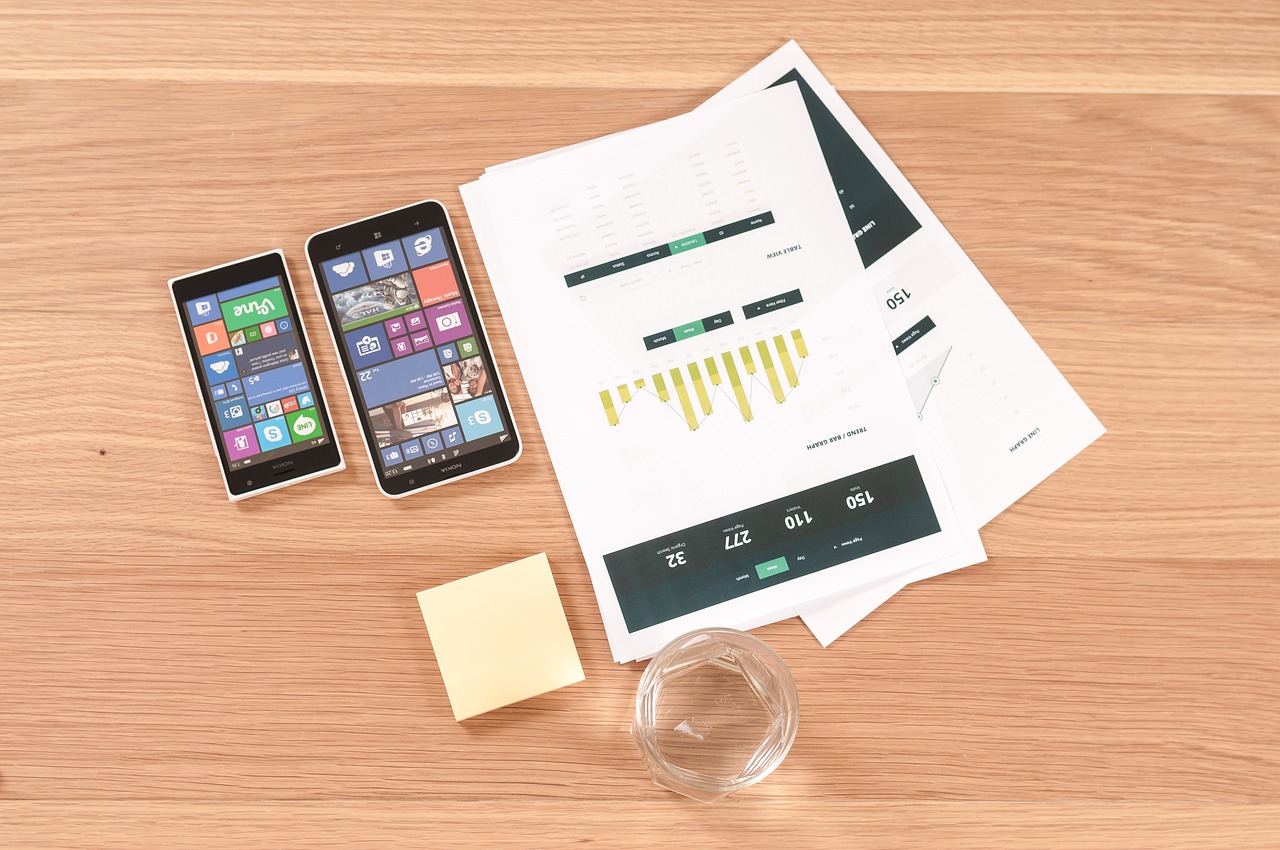
In the tech sector, companies are using color to enhance user interfaces, making them more intuitive and engaging. By understanding how users interact with colors on digital platforms, designers can create interfaces that are not only aesthetically pleasing but also functional and user-friendly.
Collaboration and Multidisciplinary Approaches
As the role of color in product design becomes more complex, collaboration between disciplines is crucial. Designers are working closely with psychologists, marketers, and technologists to develop comprehensive color strategies that take into account various factors, from consumer psychology to technological capabilities.
This multidisciplinary approach ensures that color choices are not made in isolation but are part of a broader strategy that aligns with the brand’s goals and values. By fostering collaboration and innovation, designers can create products that are not only visually appealing but also resonate with consumers on a deeper level.
Final Thoughts
In conclusion, the psychology of color in product design is a dynamic and ever-evolving field that requires a deep understanding of both science and creativity. By leveraging color psychology, designers can craft products that not only capture attention but also foster emotional connections and drive consumer behavior.
As we continue to explore the possibilities of color in design, it’s essential to remain adaptable and open to new ideas. By embracing technological advancements and prioritizing sustainability, designers can create impactful, innovative designs that inspire and engage audiences worldwide.