

“The Intersection of AI and Design: A New Era of Innovation”
The Intersection of AI and Design: A New Era of Innovation
The advent of artificial intelligence (AI) has heralded transformative changes across diverse industries, with design being no exception. As designers seek new tools and methodologies to enhance creativity and efficiency, AI emerges as a formidable ally. The intersection of AI and design not only enhances the creative process but also introduces novel ways to tackle design challenges. This blog post explores the manifold ways AI is reshaping the design landscape, offering insights into this burgeoning field.
The Evolution of Design Through AI
Design has always been a field characterized by innovation and adaptation. From the initial days of hand-drawn sketches to digital tools and software, the design industry has continuously evolved. The introduction of AI into this sphere marks a new chapter, where machines learn and predict design trends and requirements.
AI’s ability to analyze vast amounts of data allows designers to gain deep insights into user preferences, emerging trends, and potential pitfalls. For instance, platforms like Adobe Sensei leverage AI to automate repetitive tasks, thus freeing designers to focus on more creative aspects of their work. By identifying patterns and predicting outcomes, AI empowers designers to create more personalized and effective solutions.
AI-Powered Design Tools
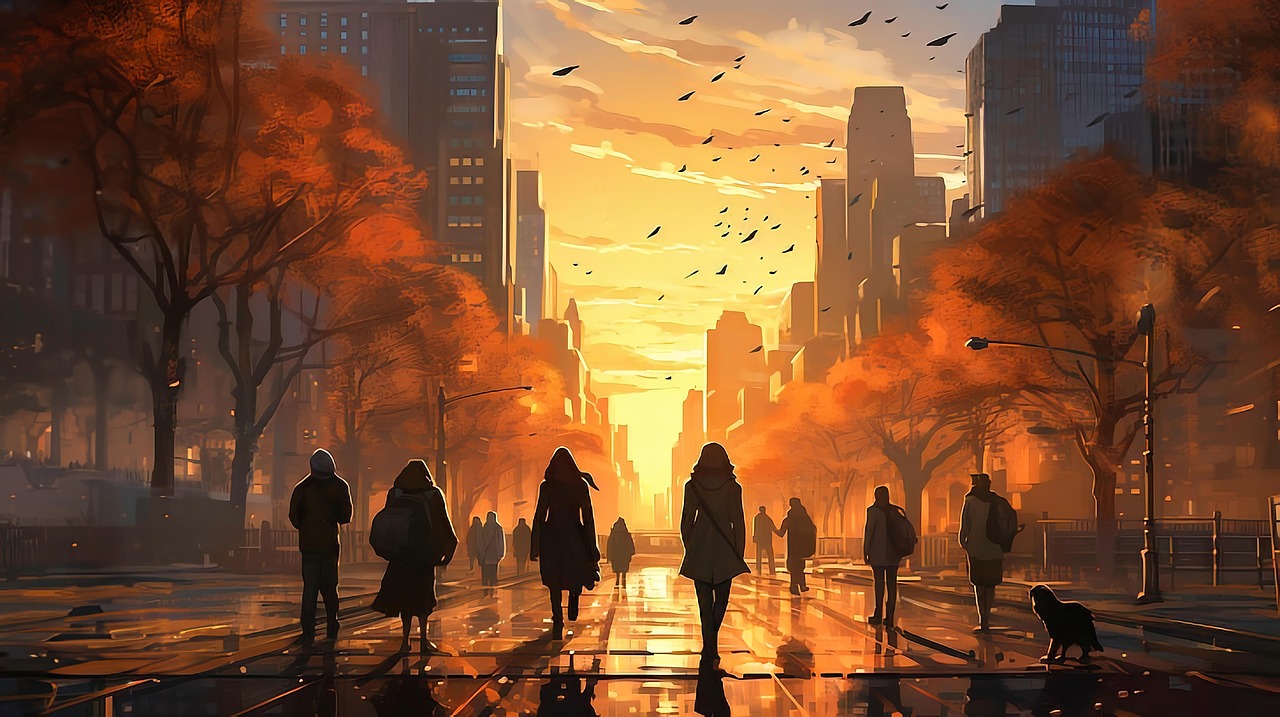
AI-powered design tools are revolutionizing how designers approach their craft. These tools not only automate mundane tasks but also offer creative suggestions that might have been overlooked. Tools such as Canva’s Magic Resize or Tailor Brands’ logo maker use AI to generate design elements that align with the user’s brand identity, enhancing efficiency and creativity.
A compelling example is the AI-driven software platform Autodesk’s Generative Design. This tool allows designers to input design parameters and constraints, and then generates a multitude of design alternatives. Such innovation fosters a collaborative environment where human creativity and machine precision work in tandem.
Enhancing Creativity with AI
While there is a common misconception that AI stifles creativity, the reality is quite the opposite. AI can act as a catalyst for creativity by offering new perspectives and possibilities. By handling data-driven tasks, AI allows designers to devote more time to the creative aspects of their projects.
Consider AI in fashion design. AI algorithms can analyze current fashion trends and consumer preferences to suggest novel designs or color palettes. Companies like IBM Watson have developed AI systems that assist designers in creating innovative fashion collections. This partnership between human designers and AI leads to groundbreaking designs that are both trendy and customer-centric.
AI in User Experience (UX) and User Interface (UI) Design
User Experience (UX) and User Interface (UI) design are critical components of digital product development. AI aids in optimizing these areas by analyzing user interactions and providing insights into improving usability and aesthetics. AI-powered analytics tools can track user behavior, identify pain points, and suggest enhancements that lead to a more seamless user experience.

For example, AI-driven heatmaps and session replay tools provide designers with detailed insights into how users interact with a website or application. These insights inform the iterative design process, ensuring that the final product is user-friendly and intuitive. A prime example is Hotjar, which uses AI to offer insights into user engagement and behavior.
Challenges and Ethical Considerations
Despite its many benefits, the integration of AI in design also presents challenges and ethical considerations. The potential for bias in AI algorithms is a significant concern, as it can lead to designs that inadvertently perpetuate stereotypes or exclude certain groups. Designers must ensure that they use diverse data sets to train AI models, thereby minimizing biases.
Moreover, the rapid automation of design tasks raises questions about the future role of human designers. While AI can handle certain tasks, the human touch remains irreplaceable. Designers must strike a balance between leveraging AI for efficiency and maintaining their creative input.
The Future of AI and Design
As AI technology continues to evolve, its role in the design industry is set to expand further. Innovations such as virtual reality (VR) and augmented reality (AR) are already being enhanced by AI, offering immersive experiences that were previously unimaginable. The potential for AI to personalize these experiences based on user preferences promises an exciting future for designers and consumers alike.

Furthermore, as AI becomes more sophisticated, its ability to understand and replicate human emotions in design could lead to more emotionally resonant and impactful designs. This evolution will likely encourage a deeper collaboration between AI and human designers, fostering a new era of innovation in the design industry.
Takeaways
The intersection of AI and design signifies a new era of innovation, where creativity and technology converge to create groundbreaking solutions. While challenges remain, the potential benefits of AI in design are immense. By embracing AI, designers can enhance their craft, streamline their processes, and ultimately deliver more personalized and effective designs. As we move forward, the synergy between human creativity and AI will undoubtedly continue to shape the future of design in ways we have yet to imagine.
AI’s Role in Sustainable Design
As global awareness of environmental issues grows, the demand for sustainable design solutions has never been higher. AI plays a pivotal role in this domain by aiding designers in creating environmentally friendly products and processes. By analyzing data on material efficiency, energy consumption, and lifecycle impacts, AI can suggest more sustainable design alternatives.
For example, AI algorithms can optimize the architectural design of buildings to maximize natural light and ventilation, reducing the need for artificial lighting and air conditioning. This not only enhances the building’s sustainability but also improves the comfort of its occupants. Companies like Siemens are leveraging AI to develop smart building technologies that promote energy efficiency and sustainability.

AI and Collaborative Design
The collaborative nature of AI fosters a new kind of partnership between designers and machines. By acting as a co-creator, AI can help designers explore uncharted territories and push the boundaries of traditional design. This collaborative approach is evident in industries ranging from automotive to consumer electronics, where AI assists in creating innovative and user-friendly products.
AI’s ability to process and analyze vast amounts of information quickly allows for real-time collaboration across different design teams and stakeholders. This can significantly reduce the time it takes to bring a product from concept to market. Collaborative platforms like Autodesk Fusion 360 are already using AI to connect designers and engineers, enhancing the product development process.
Educational Implications of AI in Design
The integration of AI in design also has profound implications for education and training in the design field. As AI tools become more prevalent, design education must adapt to prepare students for a future where AI is an integral part of the creative process. This involves not only teaching students how to use AI tools but also fostering a mindset that embraces innovation and collaboration with technology.
Design schools are beginning to incorporate AI-related courses and workshops into their curricula, ensuring that the next generation of designers is well-equipped to harness AI’s potential. By doing so, they are preparing students to thrive in a rapidly evolving industry where technology and creativity intersect.

AI and the Democratization of Design
One of the most exciting aspects of AI in design is its potential to democratize the creative process. With AI-powered tools, individuals without formal design training can now create professional-quality designs. This democratization is evident in platforms like Canva and Adobe Spark, which allow users to generate stunning graphics and layouts with minimal effort.
This shift has significant implications for small businesses and entrepreneurs, who can now produce high-quality marketing materials and product designs without the need for extensive resources. As AI continues to evolve, it will likely unlock even more opportunities for individuals to express their creativity and bring their visions to life.
Final Thoughts
The intersection of AI and design is a dynamic and rapidly evolving field, offering unprecedented opportunities for innovation and creativity. As designers continue to explore the potential of AI, new possibilities for sustainable, efficient, and user-centric designs will emerge. By embracing the collaborative partnership between human ingenuity and machine intelligence, the design industry is poised to enter a new era of innovation that will redefine the way we create and interact with the world around us.
As we move into the future, it is crucial for designers, educators, and industry leaders to foster an environment that encourages experimentation and embraces the potential of AI as a transformative force in design. By doing so, we can ensure that the benefits of this technology are realized across all facets of society, paving the way for a more sustainable and innovative future.