“Future Trends in Sustainable and Social Design: What to Expect in the Next Decade”
Future Trends in Sustainable and Social Design: What to Expect in the Next Decade
As the world grapples with the challenges of climate change, resource depletion, and social inequality, the fields of sustainable and social design are evolving rapidly. Over the next decade, we can expect significant advancements in these areas as designers, architects, and urban planners strive to create solutions that are not only environmentally responsible but also socially inclusive. This post explores the future trends in sustainable and social design, providing insights into what the next decade might hold.
The Rise of Circular Design
One of the most promising trends in sustainable design is the shift towards circular design. This approach focuses on creating products and systems that minimize waste and make the most of resources. By designing for longevity, repairability, and recyclability, circular design aims to keep materials in use for as long as possible, thus reducing the environmental impact.
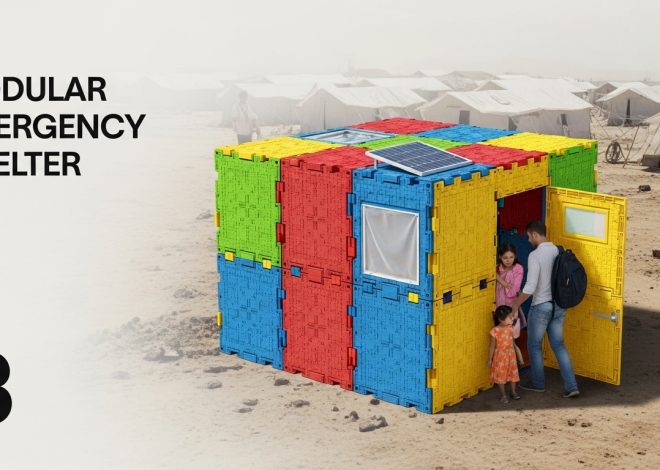
Companies are increasingly adopting circular design principles to create products that can be easily disassembled and reused. For example, the fashion industry, notorious for its wastefulness, is beginning to embrace circularity through initiatives like garment recycling and the use of biodegradable materials. In architecture, modular construction methods are gaining popularity for their ability to reduce waste and allow buildings to be easily reconfigured or deconstructed.
Biomimicry and Nature-Inspired Solutions
Biomimicry, the practice of drawing inspiration from nature to solve human challenges, is another trend shaping the future of sustainable design. By emulating the strategies and patterns found in the natural world, designers can create innovative solutions that are both sustainable and efficient.
For instance, architects are increasingly looking to nature for inspiration in building design. The Eastgate Centre in Zimbabwe is a prime example of this, as it uses a passive cooling system inspired by termite mounds, resulting in a building that requires significantly less energy for air conditioning. Similarly, advances in materials science have led to the development of self-cleaning surfaces that mimic the lotus leaf’s ability to repel water and dirt.
Integration of Smart Technology
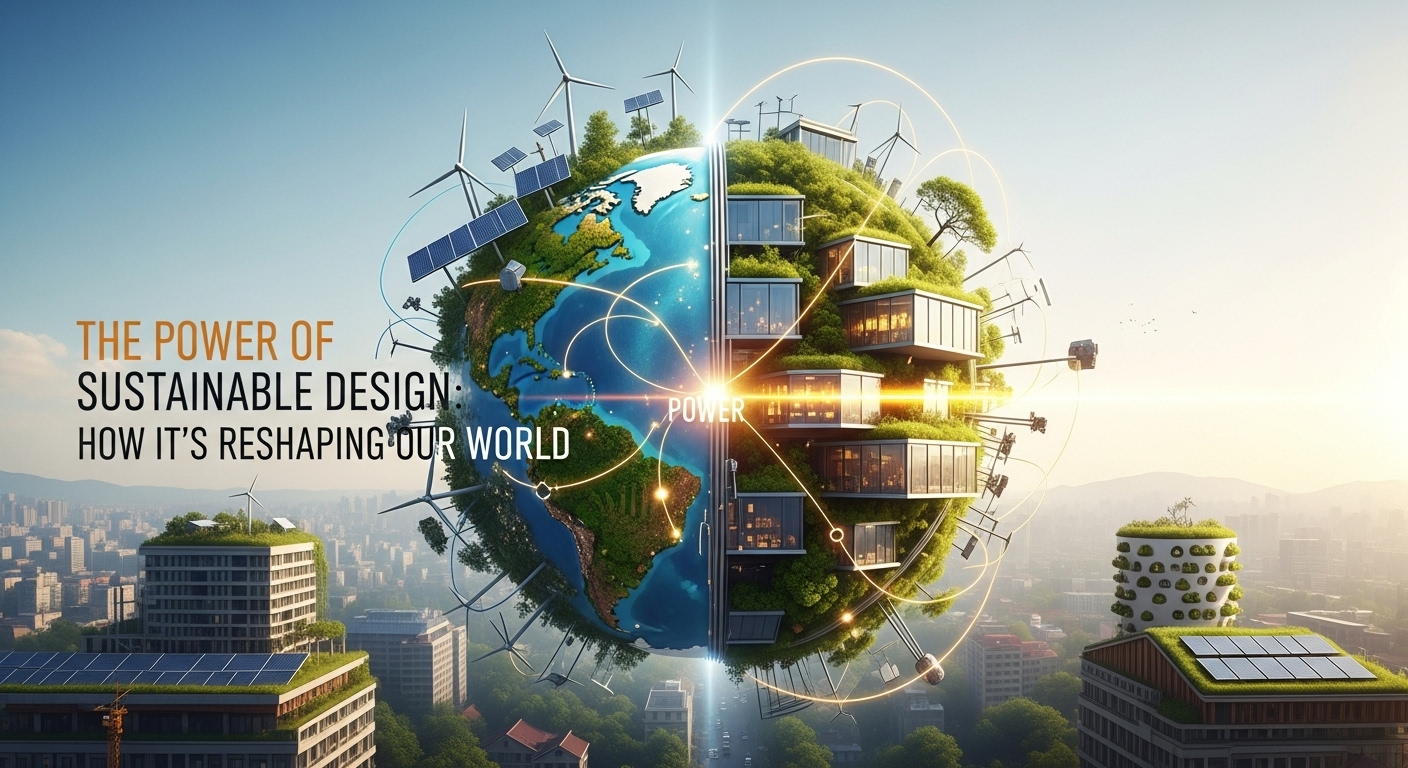
The integration of smart technology in design is transforming how we interact with our built environment. Smart homes and cities are becoming more prevalent, offering enhanced energy efficiency and improved quality of life for residents. These technologies allow for real-time monitoring and management of resources, leading to more sustainable consumption patterns.
For example, smart grids optimize energy distribution and usage, while intelligent lighting systems adjust brightness based on occupancy and natural light levels. In urban planning, smart traffic management systems reduce congestion and emissions, contributing to more sustainable cities. The next decade will likely see an increase in the adoption of such technologies, as they become more accessible and affordable.
Social Inclusivity in Design
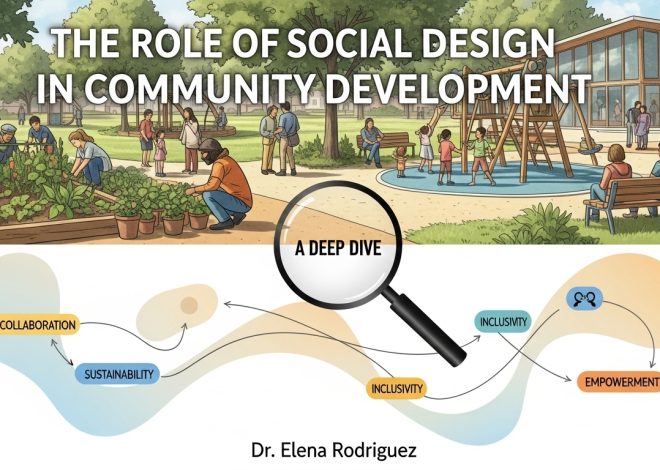
Social design is gaining traction as a means to address issues of inequality and accessibility. By focusing on inclusivity, designers aim to create products and environments that cater to diverse populations and meet the needs of marginalized communities.
Universal design principles, which advocate for products and spaces that are accessible to all, regardless of age, disability, or other factors, are becoming more widespread. This approach not only benefits individuals with specific needs but also enhances the usability and appeal of a design for everyone. In urban planning, community-driven design processes are being employed to ensure that the voices of residents are heard and reflected in the development of public spaces.
Localized and Community-Based Solutions
As globalization has led to a homogenization of design, there is a growing movement towards localized and community-based solutions. These approaches prioritize local resources, traditions, and needs, resulting in designs that are more sustainable and culturally relevant.
For instance, the resurgence of vernacular architecture, which utilizes locally sourced materials and traditional building techniques, is gaining momentum as a means to reduce the carbon footprint of construction. Additionally, community-led initiatives, such as urban gardens and co-housing projects, are fostering social cohesion and resilience by bringing people together to address common challenges.
Challenges and Opportunities
While the future of sustainable and social design is promising, it is not without challenges. The transition to more sustainable practices requires significant investment and a shift in mindset among designers, consumers, and policymakers. Moreover, the integration of advanced technologies raises concerns about data privacy and security.
However, these challenges also present opportunities for innovation and collaboration. By leveraging public-private partnerships and fostering interdisciplinary collaboration, stakeholders can develop comprehensive solutions that address both environmental and social issues. Furthermore, education and awareness-raising efforts can help shift societal attitudes towards sustainability and inclusivity.
Takeaways
The next decade holds great potential for advancements in sustainable and social design. By embracing circular design, biomimicry, smart technology, social inclusivity, and localized solutions, designers can create environments that are not only environmentally responsible but also equitable and resilient. As we look to the future, it is essential for all stakeholders to work together to overcome challenges and seize opportunities to build a more sustainable and just world for all.
For more information on sustainable design practices, consider exploring resources from organizations like the U.S. Green Building Council and the Design Council.
Education and Professional Development in Sustainable Design
As the demand for sustainable and socially responsible design grows, educational institutions and professional organizations are responding by offering specialized programs and certifications. These initiatives aim to equip current and future designers with the knowledge and skills necessary to tackle complex environmental and social challenges.
Many universities are integrating sustainability into their curricula across disciplines such as architecture, engineering, and urban planning. Programs focusing on sustainable design principles, materials science, and environmental ethics are becoming increasingly common. Additionally, professional organizations offer continuing education and certification opportunities for practitioners seeking to enhance their expertise in this area.
Online platforms and open-access resources are also playing a crucial role in making sustainable design education more accessible. MOOCs (Massive Open Online Courses) and webinars allow learners from around the world to gain insights from leading experts in the field, fostering a global community of sustainability-minded professionals.
The Role of Policy and Regulation
Government policies and regulations will play a pivotal role in shaping the future of sustainable and social design. As awareness of environmental and social issues grows, policymakers are increasingly enacting legislation to promote sustainable practices and mitigate negative impacts.
Building codes and standards that mandate energy efficiency, emissions reduction, and the use of renewable materials are becoming more stringent. Governments are also offering incentives, such as tax breaks and grants, to encourage the adoption of sustainable design practices. Furthermore, urban planning policies are being updated to prioritize green spaces, public transportation, and affordable housing, ensuring that cities develop in a sustainable and inclusive manner.
International agreements, such as the Paris Agreement, also highlight the importance of global cooperation in addressing climate change, motivating countries to align their policies with shared environmental goals.
Innovative Materials and Technologies
The development of innovative materials and technologies is revolutionizing sustainable design. Researchers and companies are continually exploring new ways to reduce the environmental impact of materials used in construction, product design, and manufacturing.
Biodegradable plastics and composites made from renewable resources, such as hemp and bamboo, are being developed as alternatives to conventional materials. Additionally, advances in 3D printing technology are enabling the creation of custom-designed components with minimal waste.
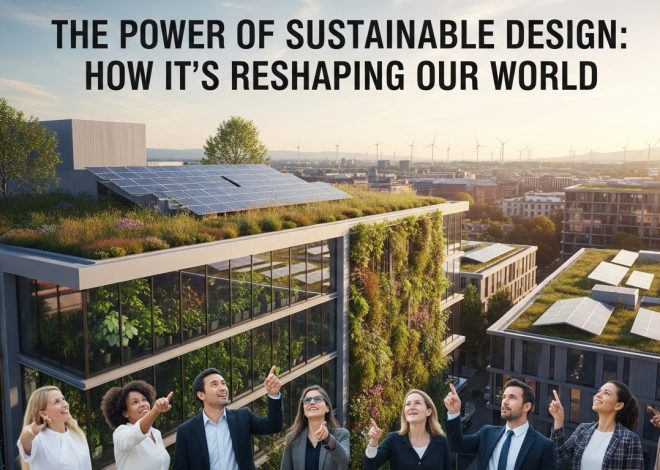
Another area of innovation is the development of energy-efficient technologies, such as solar panels and wind turbines, which are becoming increasingly affordable and efficient. These technologies are expected to play a significant role in reducing the carbon footprint of buildings and infrastructure in the coming years.
The Importance of Collaboration and Interdisciplinary Approaches
Collaboration and interdisciplinary approaches are essential for driving progress in sustainable and social design. By bringing together experts from diverse fields, such as engineering, biology, sociology, and economics, designers can develop holistic solutions that address multiple facets of sustainability.
Collaborative projects often involve partnerships between academia, industry, government, and non-profit organizations. These initiatives leverage the strengths of each partner to conduct research, develop prototypes, and implement scalable solutions. For example, the Living Building Challenge is a collaborative framework that brings together stakeholders to create regenerative buildings that are self-sufficient and have a positive impact on their surroundings.
Consumer Awareness and Demand
Consumer awareness and demand are powerful drivers of change in sustainable and social design. As more people become informed about the environmental and social impacts of their purchasing decisions, there is a growing market for products and services that prioritize sustainability and ethics.
Brands that demonstrate a commitment to sustainable practices, transparent supply chains, and fair labor conditions are gaining popularity among conscientious consumers. This shift in consumer preferences is encouraging companies to adopt more responsible practices and develop products that align with these values.
Social media and digital platforms are playing a significant role in raising awareness and facilitating discussions about sustainability, enabling consumers to make informed choices and advocate for change.
Conclusion: A Call to Action
The future of sustainable and social design is bright, with many exciting trends and innovations on the horizon. However, realizing this potential requires a concerted effort from all sectors of society. Designers, educators, policymakers, businesses, and consumers must work together to create a more sustainable and equitable world.
By embracing the principles of circular design, biomimicry, and social inclusivity, and by leveraging advances in technology and materials science, we can develop solutions that address the pressing challenges of our time. Let us all take action to support and promote sustainable and social design, ensuring a better future for generations to come.
To learn more about how you can contribute to sustainable design, visit the World Green Building Council for resources and initiatives in your area.