“The Top UI & UX Design Trends to Watch Out for in 2022”
The Top UI & UX Design Trends to Watch Out for in 2022
In the ever-evolving world of technology, staying ahead of the latest UI (User Interface) and UX (User Experience) design trends is crucial for designers and businesses alike. As we delve into 2022, a plethora of emerging trends are set to redefine the way users interact with digital products. This blog post explores these trends, offering insights into how they can enhance user engagement and satisfaction.
1. The Rise of Neumorphism
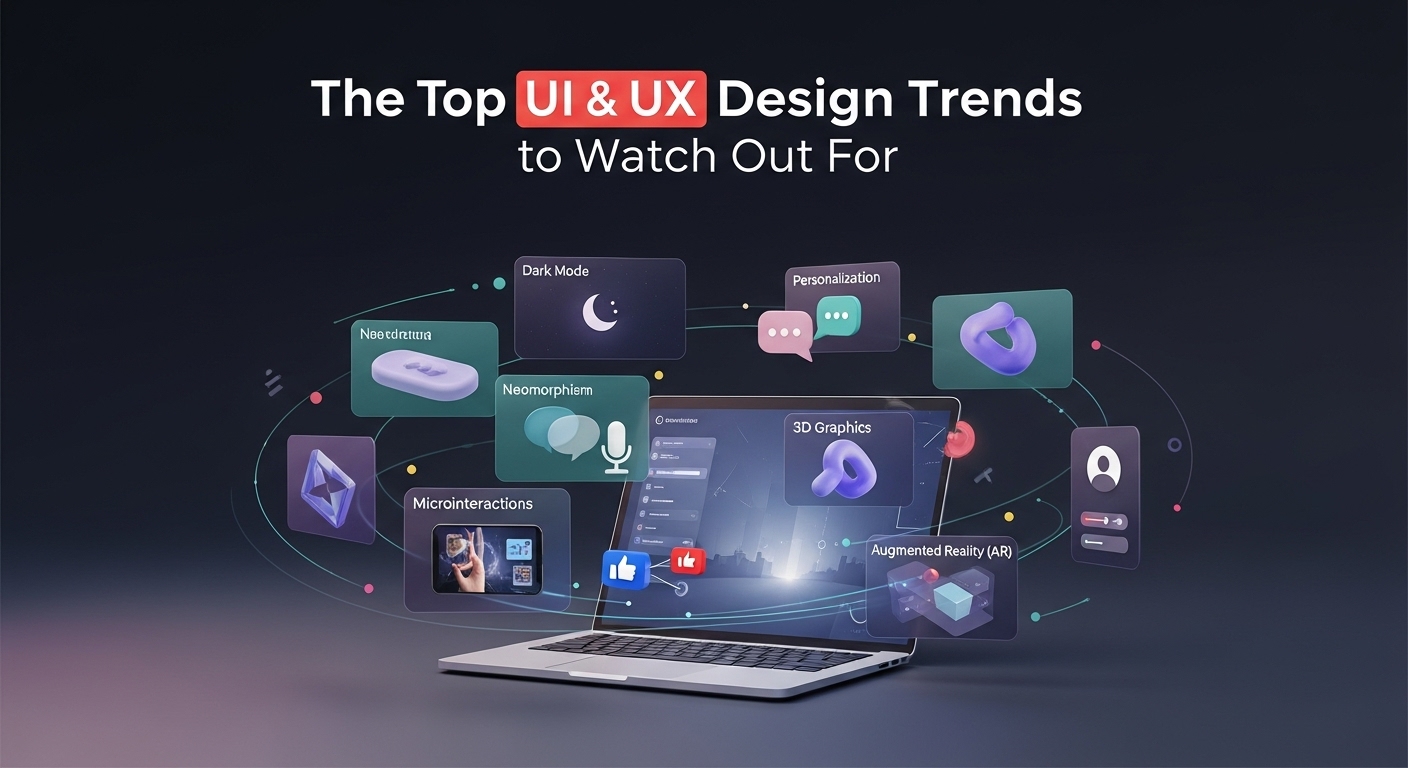
Neumorphism, a term blending “new” and “skeuomorphism,” is making waves in the UI design landscape. This trend is characterized by its soft, extruded plastic look that seems to extrude from the background, creating a tactile, almost 3D effect. By using shadows and highlights, designers can create interfaces that look both modern and familiar.
Neumorphism thrives in minimalist designs, allowing users to focus on essential elements without unnecessary distractions. This approach not only enhances aesthetics but also improves functionality, making it easier for users to navigate interfaces. As this trend grows, expect to see more digital products adopting neumorphic designs to create intuitive user experiences.
2. Voice User Interfaces (VUIs)
With the proliferation of smart speakers and voice-activated devices, Voice User Interfaces (VUIs) are becoming increasingly important in UI and UX design. VUIs allow users to interact with devices through voice commands, offering a hands-free, seamless experience.
Designers must consider the nuances of voice interactions, such as natural language processing and context awareness, to create effective VUIs. As voice technology continues to advance, we can expect to see more applications integrating VUIs to enhance accessibility and user convenience. For more insights into how voice technology is shaping the future, explore this comprehensive article.
3. Augmented Reality (AR) Experiences
Augmented Reality (AR) is no longer a futuristic concept. In 2022, AR is set to become a staple in UI and UX design, offering users immersive and interactive experiences. By overlaying digital content on the real world, AR enhances user engagement and provides new ways to interact with products and services.

From virtual try-ons in retail to interactive educational content, AR opens up a world of possibilities for designers. As AR technology becomes more accessible, expect to see it integrated into various applications across different industries. To dive deeper into AR’s potential, read this in-depth guide.
4. Dark Mode Design
Dark mode has been a popular request among users for some time, and in 2022, it continues to dominate UI design trends. Dark mode offers a sleek, modern aesthetic while reducing eye strain and saving battery life on OLED screens.
Designers must consider contrast and readability when implementing dark mode, ensuring that all elements are easily visible and accessible. As more users prefer dark mode for its visual appeal and functionality, it is becoming a standard feature in applications and websites.
5. Microinteractions
Microinteractions are subtle, often overlooked details that enhance user experience by providing feedback, guiding users, and encouraging engagement. In 2022, microinteractions are set to become more sophisticated, with animations and haptic feedback playing a crucial role in user interactions.
Examples of microinteractions include a “like” button animation, a notification sound, or a subtle vibration when a task is completed. By focusing on these small details, designers can create delightful and memorable user experiences that keep users engaged. Learn more about the power of microinteractions in this detailed article.
6. Minimalistic and Clean Design
Minimalism continues to be a dominant trend in UI and UX design, emphasizing simplicity and clarity. In 2022, clean design is more relevant than ever, as it allows users to focus on essential content without distractions. This approach enhances usability and helps users navigate interfaces with ease.
Minimalistic design often involves the use of whitespace, limited color palettes, and simple typography. By stripping away unnecessary elements, designers can create intuitive and efficient user experiences. For more on the principles of minimalistic design, check out this comprehensive overview.
7. Inclusive and Accessible Design
As awareness of accessibility grows, inclusive design is becoming a necessity in UI and UX design. In 2022, designers are focusing on creating experiences that cater to all users, including those with disabilities.
Inclusive design involves considering various aspects, such as color contrast, text size, and assistive technologies. By prioritizing accessibility, designers can create products that are not only compliant with regulations but also offer a superior user experience for everyone. To learn more about inclusive design practices, explore this helpful resource.
Takeaways
The UI and UX design landscape is constantly evolving, and 2022 is set to bring exciting advancements that will shape the future of digital interactions. From neumorphism and VUIs to AR experiences and inclusive design, these trends offer opportunities for designers to create innovative and engaging user experiences.
By staying informed about these trends and understanding their implications, designers can ensure their work remains relevant and impactful. As technology continues to advance, embracing these trends will be key to delivering exceptional digital products that resonate with users and stand out in a competitive market.
8. Data-Driven Design Decisions
In 2022, data-driven design is becoming increasingly essential as businesses strive to make informed decisions based on user behavior and preferences. By leveraging analytics and user feedback, designers can create customized experiences that cater to the specific needs of their audience.
This approach involves analyzing user interactions, conducting A/B testing, and utilizing heatmaps to gather insights. With this data, designers can identify areas that require improvement and make informed adjustments to optimize user experience. The shift towards data-driven design ensures that products are not only aesthetically pleasing but also highly functional and user-centered.
9. Personalized User Experiences
Personalization has been a growing trend in recent years, and in 2022, it is more important than ever. Users expect tailored experiences that address their individual needs and preferences. By utilizing data analytics and machine learning, designers can create personalized interfaces that enhance user satisfaction and engagement.
Personalized experiences can include customized content recommendations, user-specific themes, and adaptive interfaces that change based on user behavior. This level of personalization helps foster a deeper connection between users and digital products, leading to increased loyalty and retention.
10. Biometric Authentication
With an increased focus on security and privacy, biometric authentication is becoming a prevalent trend in UI and UX design. Biometric technologies, such as fingerprint scanning, facial recognition, and voice recognition, provide a secure and convenient way for users to access their accounts and information.
As these technologies become more widespread, designers must consider how to seamlessly integrate biometric authentication into their interfaces. By prioritizing security and user convenience, biometric authentication can enhance trust and streamline the user experience.
11. Motion Design and Animation
Motion design and animation have become crucial components of modern UI and UX design, providing dynamic and engaging user experiences. In 2022, expect to see more sophisticated animations that guide users through interfaces, provide feedback, and convey brand identity.
Well-crafted animations can make interactions feel more natural and intuitive, reducing cognitive load and improving usability. Designers must carefully balance aesthetics and functionality to ensure that animations enhance, rather than detract from, the user experience.
12. Sustainability in Design
As awareness of environmental issues grows, sustainability is becoming an important consideration in UI and UX design. Designers are increasingly focusing on creating eco-friendly digital products by optimizing performance, reducing energy consumption, and minimizing digital waste.
This trend involves considering factors such as file sizes, server efficiency, and the environmental impact of digital products. By integrating sustainable practices into design processes, designers can contribute to a more sustainable future while meeting user demands for environmentally conscious products.
Conclusion: Embracing the Future of UI & UX Design
As we move through 2022, the landscape of UI and UX design continues to evolve, driven by technological advancements and changing user expectations. By embracing these emerging trends, designers can create innovative and impactful experiences that resonate with users and stand the test of time.
Whether it’s integrating voice user interfaces, leveraging data for personalization, or prioritizing sustainability, the key to success lies in staying informed and adaptable. By doing so, designers can ensure they remain at the forefront of the industry, delivering exceptional products that meet the evolving needs of their users.
Ultimately, the future of UI and UX design is bright, filled with opportunities to push boundaries and redefine the digital experience. As designers, it is our responsibility to embrace these trends and continue to innovate, creating a more engaging, accessible, and sustainable digital world for all.
13. Remote Collaboration Tools
The shift to remote work has accelerated the development and adoption of collaboration tools that cater to distributed teams. In 2022, UI and UX design are increasingly focused on creating intuitive interfaces for these tools, ensuring that teams can collaborate seamlessly regardless of their physical locations.
Effective remote collaboration tools incorporate features such as real-time editing, video conferencing, and integrated project management functionalities. Designers are tasked with creating user-friendly interfaces that facilitate smooth communication and collaboration, reducing friction and enhancing productivity for remote teams.
14. Emotional Design
Emotional design is gaining traction as designers recognize the importance of creating experiences that evoke positive emotions and build connections with users. By considering the emotional impact of design elements, designers can craft interfaces that resonate on a deeper level.
This trend involves using color psychology, typography, and imagery to elicit specific emotions and create memorable experiences. Emotional design can lead to increased user engagement and brand loyalty, as users are more likely to return to products that make them feel good.
15. AI-Powered Design Tools
Artificial intelligence (AI) is transforming the way designers work by automating repetitive tasks and offering intelligent suggestions. In 2022, AI-powered design tools are becoming more sophisticated, enabling designers to focus on creativity and strategy.
These tools can assist with tasks such as generating design variations, optimizing layouts, and predicting user behavior. By leveraging AI, designers can streamline their workflows, enhance productivity, and create more effective and personalized user experiences.
16. Cross-Platform Design Consistency
With users accessing digital products across multiple devices, ensuring cross-platform consistency is more important than ever. In 2022, designers are focusing on creating cohesive experiences that maintain brand identity and functionality across platforms.
This trend involves designing adaptive interfaces that provide a seamless transition between desktop, mobile, and tablet devices. By prioritizing consistency, designers can enhance usability and ensure that users enjoy a uniform experience regardless of the device they use.
17. Ethical Design Practices
As digital products become integral to daily life, ethical design practices are taking center stage. In 2022, designers are increasingly mindful of the ethical implications of their work, striving to create products that respect user privacy and promote well-being.
This involves considering data privacy, avoiding manipulative design patterns, and promoting inclusivity and diversity. By adopting ethical design practices, designers can build trust with users and create products that make a positive impact on society.
Conclusion: Navigating the Future of UI & UX Design
The field of UI and UX design is undergoing rapid transformation, driven by technological innovation and shifting user expectations. As we look to the future, designers must remain agile, embracing new trends and adapting to the changing landscape.
By focusing on user-centric design, leveraging emerging technologies, and prioritizing ethical practices, designers can create impactful experiences that meet the needs of a diverse and ever-evolving audience. As we continue to explore the possibilities of UI and UX design, the potential for innovation is limitless, offering exciting opportunities to shape the future of digital interaction.
In conclusion, staying informed about the latest trends and continually refining skills will be key to success in the dynamic world of UI and UX design. By doing so, designers can ensure they remain at the forefront of the industry, delivering exceptional products that captivate and delight users worldwide.