“The Impact of Motion Design on Digital Marketing Strategies”
The Impact of Motion Design on Digital Marketing Strategies
In the ever-evolving landscape of digital marketing, staying ahead of the competition requires leveraging the latest technologies and trends. One of the most impactful tools in a marketer’s arsenal today is motion design. This dynamic form of visual storytelling not only captures attention but also enhances user engagement and drives conversions. In this comprehensive exploration of motion design’s influence on digital marketing strategies, we will delve into its various facets, benefits, and applications.
Understanding Motion Design in Digital Marketing
Motion design, often synonymous with motion graphics, involves the use of animation and digital footage to create the illusion of motion. It is a powerful medium that combines graphic design, animation, and cinematic techniques to convey messages in a compelling and memorable manner. As digital marketing continues to pivot towards more interactive and engaging content, motion design has emerged as a key player.
The rise of motion design can be attributed to its ability to communicate complex ideas quickly and effectively. In a world where attention spans are dwindling, marketers are increasingly turning to motion design to capture and retain the attention of their audiences.
The Benefits of Incorporating Motion Design
Motion design offers numerous benefits that make it an invaluable component of digital marketing strategies. Here are some of the key advantages:
1. Enhanced Engagement
Visual content is inherently more engaging than static text. Motion design takes this a step further by incorporating movement, sound, and storytelling elements. This combination results in a more immersive experience that encourages viewers to interact with the content.
2. Improved Information Retention
Studies have shown that people retain information better when it is presented in a visual format. Motion design leverages this by transforming complex messages into easily digestible animations. As a result, viewers are more likely to remember the information conveyed through motion design.
3. Versatility Across Platforms
One of the strengths of motion design is its versatility. It can be seamlessly integrated into various digital platforms, including websites, social media, email marketing, and mobile apps. This adaptability ensures that marketing messages can reach audiences wherever they are.
4. Increased Conversion Rates
Motion design not only captures attention but also drives viewers to take action. By incorporating clear calls-to-action within animations, businesses can guide users toward desired outcomes, such as making a purchase or signing up for a service. This leads to higher conversion rates and improved ROI.
Applications of Motion Design in Digital Marketing
Motion design can be employed in a variety of ways to enhance digital marketing efforts. Below are some of the most effective applications:
1. Social Media Campaigns
Social media platforms thrive on visual content. Motion design can be used to create engaging animations that capture the essence of a brand’s message. These animations can be used in social media ads, posts, and stories to increase reach and engagement. The shareable nature of social media further amplifies the impact of motion design.
2. Explainer Videos
Explainer videos are an excellent way to educate audiences about a brand’s products or services. By using motion design, businesses can break down complex concepts into simple, engaging animations. These videos can be hosted on websites, YouTube channels, or shared across various platforms to increase visibility and understanding.
3. Email Marketing

Incorporating motion design into email marketing campaigns can significantly boost open and click-through rates. Animated GIFs and short videos can make emails more visually appealing and interactive, encouraging recipients to engage with the content and take the desired action.
4. Website Design
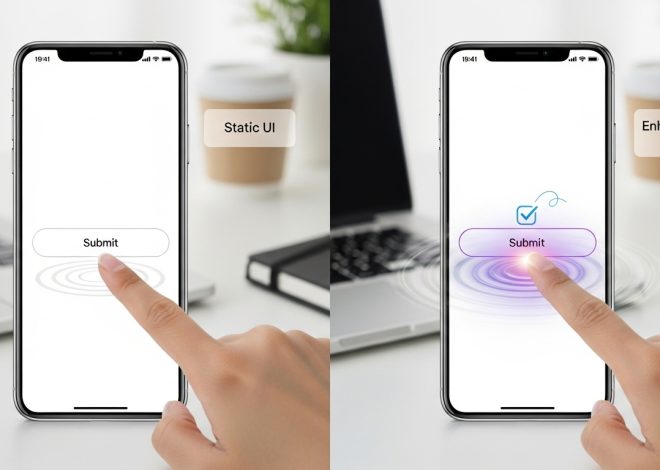
Motion design can enhance user experience on websites by guiding visitors through the site and highlighting key information. Subtle animations, such as hover effects and transitions, can make navigation intuitive and enjoyable, leading to longer visit durations and lower bounce rates.
Challenges and Considerations
While motion design offers numerous benefits, it is essential to consider certain challenges and best practices when integrating it into digital marketing strategies:
1. Quality and Relevance
The effectiveness of motion design hinges on the quality and relevance of the content. Poorly executed animations can detract from a brand’s message and harm its credibility. It is crucial to invest in professional design services to ensure high-quality output.
2. Load Time and Accessibility
Motion design can be resource-intensive, potentially impacting page load times and accessibility. It is essential to optimize animations for web use and ensure they do not hinder the user experience. Providing alternative content for users with disabilities is also important.
3. Consistency with Brand Identity
Motion design should align with a brand’s overall identity and messaging. Consistency in style, color, and tone is crucial to maintaining brand recognition and trust. Every motion graphic should reinforce the brand’s values and objectives.
The Future of Motion Design in Digital Marketing

As technology continues to evolve, the role of motion design in digital marketing is poised to grow even further. Advancements in AI and machine learning are expected to revolutionize the creation and personalization of motion graphics, allowing for more tailored and impactful content. Furthermore, the rise of augmented reality (AR) and virtual reality (VR) presents new opportunities for immersive storytelling through motion design.
Takeaways
Motion design has undeniably transformed digital marketing strategies by offering a dynamic and engaging way to connect with audiences. Its ability to convey complex messages quickly, enhance user engagement, and drive conversions makes it an indispensable tool for marketers. By understanding and leveraging the power of motion design, businesses can stay ahead in the competitive digital landscape and effectively communicate their brand stories.
As we look to the future, it is clear that motion design will continue to play a pivotal role in shaping the way brands communicate and engage with their audiences. By staying informed about the latest trends and advancements in motion design, marketers can harness its full potential and achieve their business objectives.
Leveraging Motion Design for Brand Storytelling
The art of storytelling is an age-old method of engaging audiences and building emotional connections. In digital marketing, storytelling goes beyond written narratives; it encompasses the entire visual experience a brand offers. Motion design plays a critical role in enhancing brand storytelling by bringing stories to life through animation and motion graphics.
Creating Emotional Connections
One of the core strengths of motion design is its ability to evoke emotions. By combining visual elements with music and narration, brands can craft stories that resonate deeply with their audience. For instance, a well-designed animated video can illustrate a customer journey, highlighting the challenges and triumphs, and ultimately fostering a sense of empathy and connection.

Showcasing Brand Values
Motion design can also be used to highlight a brand’s values and mission. Through carefully crafted animations, brands can communicate their commitment to sustainability, innovation, or social responsibility. This not only builds trust but also attracts like-minded consumers who share similar values.
Case Studies of Successful Motion Design Campaigns
Examining successful case studies offers valuable insights into the practical application of motion design in digital marketing. Here are a few noteworthy examples:
1. Airbnb’s Animated City Guides
Airbnb effectively utilized motion design to create animated city guides that highlight local attractions and experiences. These engaging animations not only provide useful information for travelers but also enhance the brand’s image as a provider of authentic travel experiences. The seamless integration of motion graphics with Airbnb’s platform exemplifies how motion design can enhance user experience and engagement.
2. Spotify’s Year in Music
Spotify’s “Year in Music” campaign is another prime example of leveraging motion design to create personalized experiences. By providing users with animated summaries of their listening habits, Spotify not only engaged its audience but also encouraged social sharing, resulting in increased visibility and user engagement.
3. Nike’s “Choose Go” Campaign
Nike’s “Choose Go” campaign employed motion design to inspire action and promote their running shoes. By combining kinetic typography with dynamic animations, Nike successfully conveyed a sense of movement and motivation, aligning perfectly with their brand ethos of empowerment and athleticism.
Integrating Motion Design into Your Strategy
To effectively integrate motion design into your digital marketing strategy, it’s essential to consider the following steps:
1. Define Your Objectives

Before embarking on a motion design project, clearly define your marketing objectives. Whether it’s increasing brand awareness, driving traffic, or boosting conversions, having a clear goal will guide the creative process and ensure alignment with your overall strategy.
2. Know Your Audience
Understanding your target audience is crucial for creating relevant and impactful motion design. Conduct market research to gain insights into your audience’s preferences, behaviors, and pain points. This information will inform the design and messaging of your animations.
3. Collaborate with Skilled Designers
Working with experienced motion designers is essential to producing high-quality content. Collaborate closely with designers to ensure that the animations align with your brand identity and effectively convey your message. Don’t hesitate to provide feedback and iterate on designs for optimal results.
4. Test and Optimize
Once your motion design content is live, continuously monitor its performance. Use analytics tools to track engagement metrics, such as view rates, click-through rates, and conversions. Based on the data, make necessary adjustments to enhance the effectiveness of your campaigns.
Conclusion: The Future is Motion
The integration of motion design into digital marketing strategies is no longer optional; it is a necessity for brands seeking to thrive in the digital age. With its ability to captivate, inform, and inspire, motion design is set to become an even more integral part of marketing efforts. As technology continues to advance, marketers must stay attuned to emerging trends and innovations in motion design to maintain a competitive edge.
Ultimately, the brands that succeed will be those that embrace the power of motion design, leveraging it to tell compelling stories, engage audiences, and drive meaningful results. By doing so, they will not only enhance their marketing strategies but also forge lasting connections with their audience in an increasingly dynamic digital landscape.