“How to Choose the Right Color Palette for Your Graphic Design Project”
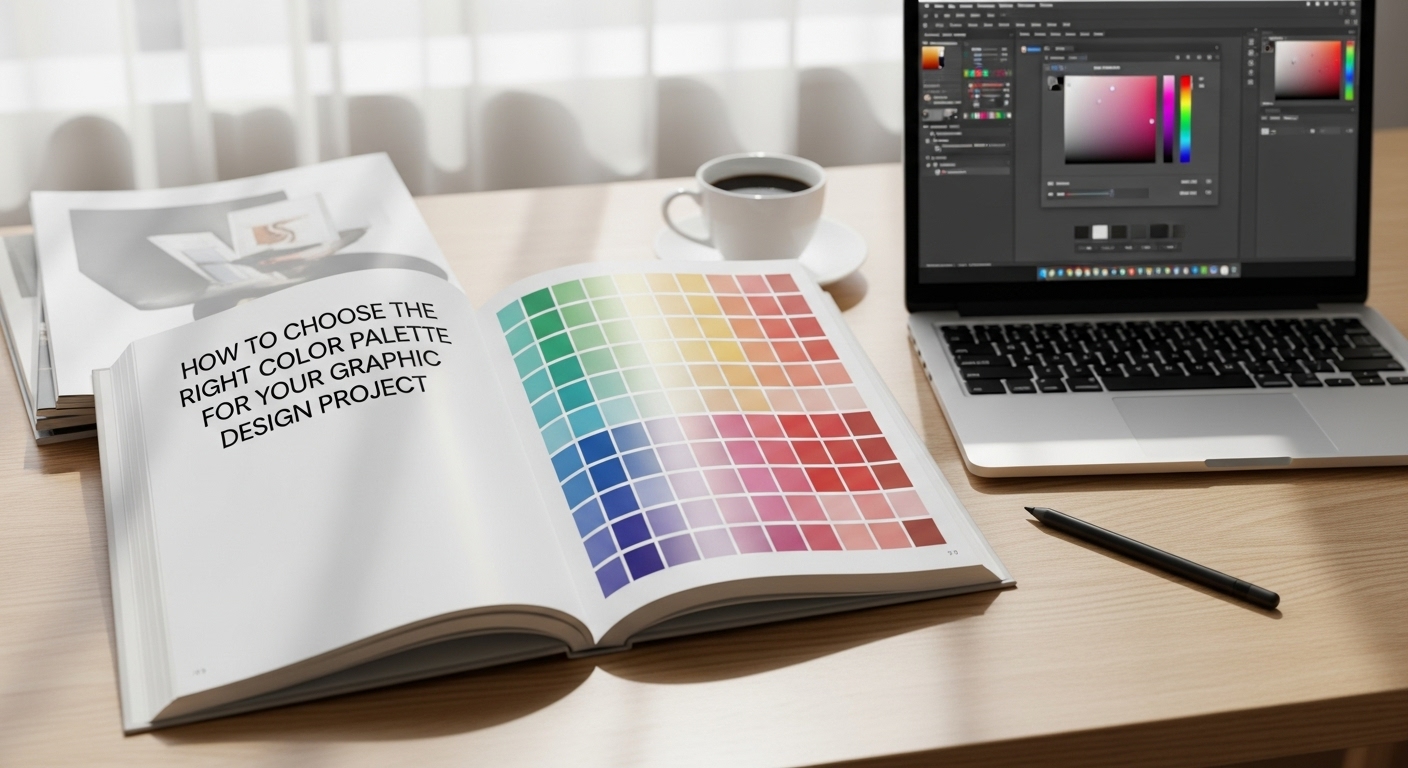
How to Choose the Right Color Palette for Your Graphic Design Project
Choosing the right color palette for your graphic design project is a crucial step that can influence the effectiveness and appeal of your work. Whether you’re designing a website, a logo, or a marketing campaign, colors play a vital role in communicating the message and emotion you intend to convey. In this blog post, we’ll explore how to select a color palette that aligns with your project’s goals and resonates with your audience.
Understanding Color Theory
Before diving into specific color choices, it’s essential to understand the basic principles of color theory. Color theory involves the science and art of using color, including how colors mix, match, and contrast with each other. Familiarizing yourself with the color wheel, primary, secondary, and tertiary colors, as well as complementary, analogous, and triadic color schemes, can be beneficial.
By understanding color theory basics, you can create harmonious and visually appealing designs that capture attention and convey the right message.
The Importance of Color Psychology
Color psychology examines how different hues affect perceptions and behaviors. Each color can evoke specific emotions, making it important to choose colors that align with the emotional tone of your project. For instance, blue often represents trust and calmness, while red can convey excitement or urgency.
Knowing how colors influence emotions can help you make strategic choices that support your design objectives. If your project is a health-related website, using greens and blues might instill a sense of tranquility and trustworthiness. Conversely, a call-to-action button might benefit from the vibrancy of red or orange to attract attention.
Identifying Your Brand’s Personality
Your brand’s identity should be a guiding factor in selecting your color palette. Consider what your brand stands for and how you want it to be perceived. If your brand is youthful and energetic, a palette with bold and vibrant colors may be appropriate. For a more sophisticated and elegant brand, you might choose subdued and neutral tones.
Analyze your brand’s core values and mission statement, and reflect these in your color choices. If you haven’t defined your brand’s personality, it might be beneficial to do so before proceeding with your design project.
Researching Your Audience
Understanding your target audience is crucial when choosing a color palette. Demographics such as age, gender, and cultural background can significantly influence color preferences. For example, younger audiences may prefer bright and bold colors, while older demographics might lean towards more classic and muted tones.
Researching your audience can provide insights into which colors may resonate best with them. Consider conducting surveys, focus groups, or analyzing competitors’ designs to gauge audience preferences.
Utilizing Color Palette Tools
There are numerous tools available that can help you create and visualize color palettes. These tools often allow you to experiment with different combinations and see how they interact together. Some popular tools include Adobe Color CC, Coolors, and Paletton.
Utilizing these tools can streamline the process and provide inspiration for your project. They often offer features like color blindness simulators, contrast checkers, and preset palettes, making it easier to ensure your design is accessible and effective.
Considering Color Contrast and Accessibility
Color contrast is a critical aspect of designing accessible graphics. Ensuring enough contrast between text and background colors can improve readability for all users, including those with visual impairments. The Web Content Accessibility Guidelines (WCAG) offer standards for color contrast ratios that you should aim to meet.
Accessibility should be a priority in your design process. Tools like the WebAIM Contrast Checker can help you test your color choices to ensure they meet accessibility guidelines.
Testing and Iterating Your Palette
Once you’ve selected a preliminary color palette, it’s essential to test it in different contexts to see how it performs. Apply your colors to various elements of your design and gather feedback from colleagues or test users. Pay attention to how the colors look on different devices and screen resolutions.
Iterating based on feedback can lead to a more refined and effective color palette. Don’t be afraid to make adjustments if something doesn’t feel right. The goal is to create a cohesive and appealing design that effectively communicates your message.
Examples of Successful Color Palettes
Looking at successful designs can provide inspiration and guidance. Consider brands like Coca-Cola with its bold red and white scheme, or Spotify’s vibrant green and black. These brands have effectively used color to establish a strong identity and connect with their audience.
Analyze these examples and consider how their color choices align with their brand values and audience expectations. This analysis can offer valuable insights into creating your own successful palette.
Takeaways
Choosing the right color palette for your graphic design project is a multifaceted process that involves understanding color theory, considering psychological impacts, and aligning with your brand and audience. By utilizing tools, testing your choices, and studying successful examples, you can develop a color palette that enhances your design’s effectiveness and appeal.
Remember, the right colors can make your design more engaging, accessible, and memorable. Take the time to explore and experiment, and you’ll find a palette that perfectly suits your project’s needs.
For additional resources on color selection and graphic design, consider exploring the Smashing Magazine or the Creative Bloq for more insights and inspiration.
Exploring Cultural Significance of Colors
Colors carry different meanings across cultures, which is an important consideration if your design will reach an international audience. What might be a positive and inviting color in one culture may carry negative connotations in another. For example, white is often associated with purity and weddings in Western cultures but can symbolize mourning in some Asian cultures.
Understanding these cultural nuances can help you avoid unintentional miscommunications. If you plan to market your project globally, conducting research on cultural color meanings can be invaluable. Resources like the Cultural Differences Guide can provide insights into these variations.
Balancing Trendiness with Timelessness
Trends in color usage come and go, and while it can be tempting to embrace a trendy palette, it’s crucial to consider the longevity of your design. A color scheme that is too closely tied to current trends may feel outdated in just a few years. If your project is meant to last, strive for a balance between contemporary appeal and timelessness.
Researching current color trends can provide inspiration, but aim to incorporate elements that will stand the test of time. A palette grounded in classic colors with a touch of modern flair can offer both relevance and durability.
Utilizing Neutrals Effectively
Neutral colors such as black, white, gray, and beige are essential tools in any designer’s arsenal. These hues can provide balance, enhance readability, and serve as a backdrop that allows other colors to shine. Neutrals can also impart a sense of sophistication and elegance to a design.
When using neutrals, consider their temperature—warm or cool tones can affect the overall feel of your palette. A warm gray might pair well with earth tones, while a cool gray could complement a palette with blues and greens.
Experimenting with Shades and Tints
Beyond the basic colors, experimenting with different shades and tints can add depth and complexity to your palette. A shade is a color mixed with black, creating a darker version, while a tint is a color mixed with white, resulting in a lighter version. These variations can be used to create hierarchy and emphasis within your design.
Using a monochromatic palette, which involves different shades and tints of a single color, can create a cohesive and harmonious look. This approach can be particularly effective in creating a sophisticated and unified design.
Staying Consistent Across Platforms
As you finalize your color palette, ensure consistency across all platforms and media. Whether your project includes print materials, digital platforms, or product packaging, maintaining a consistent color scheme reinforces brand identity and improves recognition.
Document your color choices in a style guide that includes color codes for both print (CMYK) and digital (RGB and HEX) media. This guide will serve as a reference for anyone working on your project, ensuring that your colors remain consistent regardless of the medium.
Final Thoughts on Color Selection
Choosing the right color palette is both an art and a science, requiring a balance of creativity, research, and strategy. By understanding the principles of color theory, considering psychological and cultural factors, and utilizing the right tools, you can create a palette that enhances your design’s impact.
The process of selecting colors should not be rushed. Take the time to explore different options, gather feedback, and iterate on your choices. The right palette can elevate your design, making it more engaging, effective, and memorable.
For ongoing inspiration and guidance, consider following expert design blogs and communities like Behance, where you can see how other designers approach color in their projects. By continuing to learn and experiment, you’ll refine your skills and create designs that resonate with audiences worldwide.

![“Graphic Design Trends to Watch Out for in [Current Year]”](https://projeto-br.com/wp-content/uploads/2026/01/Whisk_6472ef731e60e2b86ee42a32b6e54b34dr-660x470.jpeg)