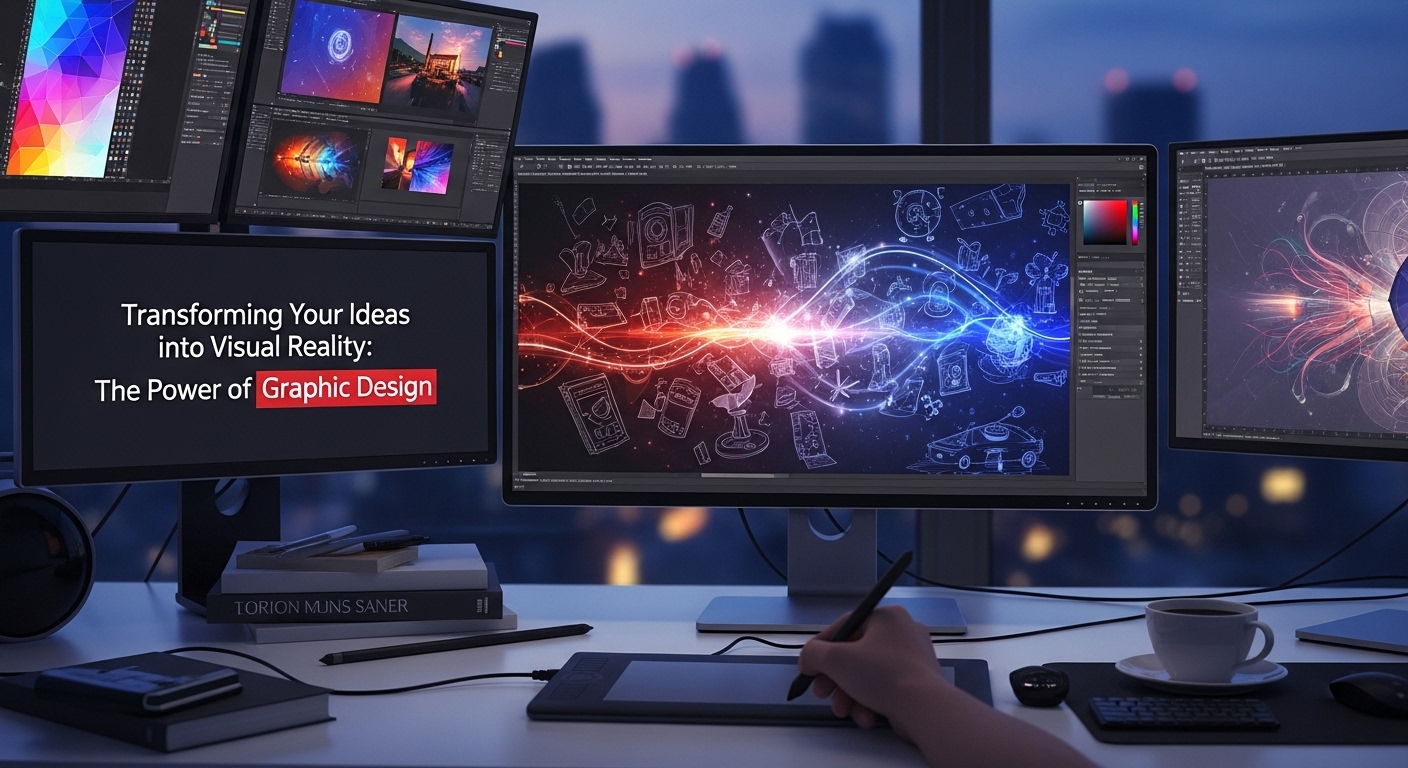
“Transforming Your Ideas into Visual Reality: The Power of Graphic Design”
Transforming Your Ideas into Visual Reality: The Power of Graphic Design
In an age where visual communication reigns supreme, graphic design has emerged as an indispensable tool in transforming mere ideas into captivating visual realities. Whether it’s creating a brand identity, developing marketing materials, or designing user interfaces, graphic design plays a pivotal role in how information is perceived and consumed. This blog post delves deep into the dynamic world of graphic design, exploring its significance, processes, and the impact it can have on your personal or business projects.
The Essence of Graphic Design
Graphic design is the art and practice of planning and projecting ideas and experiences with visual and textual content. Essentially, it is about communicating ideas visually in a way that is both effective and aesthetically pleasing. Unlike other forms of communication, graphic design leverages the power of images, typography, and colors to influence perception and convey messages. This AIGA guide provides an excellent overview of what graphic design entails and how it has evolved over the years.
The Impact of Graphic Design on Branding
Branding is more than just a logo or a business card; it’s the perception that people have of your company or product. Graphic design is crucial in shaping this perception. A well-designed logo, for instance, can instantly convey the values and mission of a brand. Companies like Apple and Nike have succeeded in creating strong brand identities largely due to their iconic logos and consistent visual language.
In addition to logos, graphic design encompasses other branding elements such as color schemes, typography, and imagery. These elements work together to create a cohesive brand identity that resonates with the target audience. A comprehensive Forbes article highlights how branding can significantly influence consumer behavior and business success.
Graphic Design in Marketing and Advertising
Marketing and advertising are areas where graphic design truly shines. In a world saturated with information and advertisements, standing out is crucial. This is where the creativity and strategic thinking of graphic designers come into play. They craft visually appealing advertisements that not only catch the viewer’s attention but also convey the intended message effectively.
From print ads and billboards to digital banners and social media posts, graphic design is omnipresent in marketing. Each piece of design is tailored to meet specific marketing goals, whether it’s to increase brand awareness, drive sales, or promote a new product. According to a detailed study on Adobe’s website, businesses that prioritize design are more likely to outperform their competitors in the marketplace.
Graphic Design and User Experience (UX) Design
User experience design is another field where graphic design plays a crucial role. While UX design focuses on the overall feel of the product, graphic design takes care of the product’s aesthetics. The two are intertwined to create an intuitive and visually pleasing user interface. A well-designed interface can greatly enhance user satisfaction, leading to higher engagement and conversion rates.
Incorporating graphic design in UX involves creating visually coherent layouts, selecting appropriate color palettes, and ensuring that typography is legible and accessible. This balance between aesthetics and functionality is essential for creating a seamless user experience. The Interaction Design Foundation offers extensive resources on how graphic design contributes to effective UX design.
The Role of Graphic Designers
Graphic designers are the creative minds behind the visual content that we see everywhere. They possess a unique blend of artistic talent and technical skills, allowing them to create designs that are both functional and visually appealing. Their role involves more than just creating images; it’s about understanding the client’s vision and translating it into a visual format that speaks to the intended audience.
Graphic designers work across various industries, including advertising, publishing, web design, and multimedia. They utilize a range of tools and software, such as Adobe Creative Suite, to bring their ideas to life. A successful graphic designer must stay updated with the latest design trends and technologies to remain competitive in the ever-evolving design landscape.
Graphic Design Trends to Watch
The world of graphic design is constantly evolving, with new trends emerging every year. Staying ahead of these trends is crucial for designers who want to remain relevant and innovative. Some of the current trends include minimalism, bold typography, and the use of vibrant colors. These trends reflect a shift towards designs that are clean, simple, and engaging.
Another significant trend is the integration of animation and motion graphics. As digital platforms continue to dominate, designers are increasingly incorporating interactive elements into their work to capture and retain the audience’s attention. The rise of interactive content is a testament to the evolving nature of graphic design.
Takeaways
Graphic design is a powerful tool that can transform ideas into visual realities. It is an essential component in various fields, including branding, marketing, and user experience design. By effectively utilizing graphic design, individuals and businesses can communicate their messages more clearly and compellingly. As the design landscape continues to evolve, staying informed about the latest trends and technologies is crucial for anyone involved in the field.
Whether you’re a seasoned designer or a business owner looking to enhance your brand’s visual identity, understanding the power of graphic design can unlock new opportunities for success. Embrace the possibilities that graphic design offers and watch as your ideas come to life in vibrant, visual forms.
The Future of Graphic Design
As technology progresses, the future of graphic design looks promising and exciting. One of the major trends shaping the future is the integration of artificial intelligence (AI) into the design process. AI tools are increasingly being used to automate repetitive design tasks, optimize workflows, and even generate design suggestions. This allows designers to focus on more creative aspects, enhancing their productivity and the quality of their work.
Moreover, virtual reality (VR) and augmented reality (AR) are becoming more prevalent, opening new avenues for immersive design experiences. These technologies enable designers to create 3D environments and interactive elements that offer users a more engaging experience. As VR and AR become more mainstream, the demand for designers skilled in these technologies is expected to grow significantly.
Another exciting development is the growing emphasis on accessibility and inclusive design. As awareness increases, graphic designers are focusing more on creating designs that are accessible to all individuals, including those with disabilities. This involves using high-contrast colors, readable fonts, and alternative text for images, ensuring that everyone can enjoy and interact with digital content seamlessly.
Educational Paths and Career Opportunities in Graphic Design
For those interested in pursuing a career in graphic design, there are several educational paths available. Many designers hold a degree in graphic design or a related field, where they learn about design theory, typography, color theory, and digital media. However, a formal degree is not always necessary, as there are numerous online courses and resources available that can provide the necessary skills and knowledge.
Graphic design offers a wide range of career opportunities across various industries. From working in a design agency to freelancing or being part of an in-house design team, the possibilities are vast. Roles can range from brand designer and UX/UI designer to motion graphic artist and creative director. As the demand for skilled designers continues to grow, so do the prospects for a fulfilling and lucrative career in graphic design.
Real-World Applications of Graphic Design
Graphic design is not limited to digital screens and printed media; its applications are far-reaching and diverse. In the entertainment industry, for example, graphic design plays a crucial role in creating movie posters, album covers, and promotional materials. The gaming industry also heavily relies on graphic designers for creating characters, environments, and user interfaces.
In the corporate world, graphic design is essential for creating corporate presentations, annual reports, and internal communications. Even in the public sector, graphic design is used for creating public information materials and awareness campaigns. The versatility of graphic design means that its principles can be applied to almost any field, highlighting its importance in shaping how we perceive and interact with the world around us.
Conclusion: Embracing the Power of Graphic Design
In conclusion, graphic design is a transformative force that can turn abstract ideas into tangible visual realities. Its impact is felt across numerous domains, from enhancing brand identities to improving user experiences and driving marketing success. As technology continues to advance, the possibilities for innovation in graphic design are endless.
For businesses and individuals alike, embracing the power of graphic design can lead to greater engagement, communication, and success. By staying informed about the latest trends and developments, and continually honing their skills, designers can remain at the forefront of this dynamic and ever-evolving field.
Ultimately, whether you’re looking to create a stunning visual identity for your brand or simply convey a message more effectively, graphic design offers the tools and techniques to bring your ideas to life. As the saying goes, “A picture is worth a thousand words” — and with the power of graphic design, those words can be crafted into compelling, unforgettable stories.

![“Graphic Design Trends to Watch Out for in [Current Year]”](https://projeto-br.com/wp-content/uploads/2026/01/Whisk_6472ef731e60e2b86ee42a32b6e54b34dr-660x470.jpeg)