“The Importance of Graphic Design in Digital Marketing”
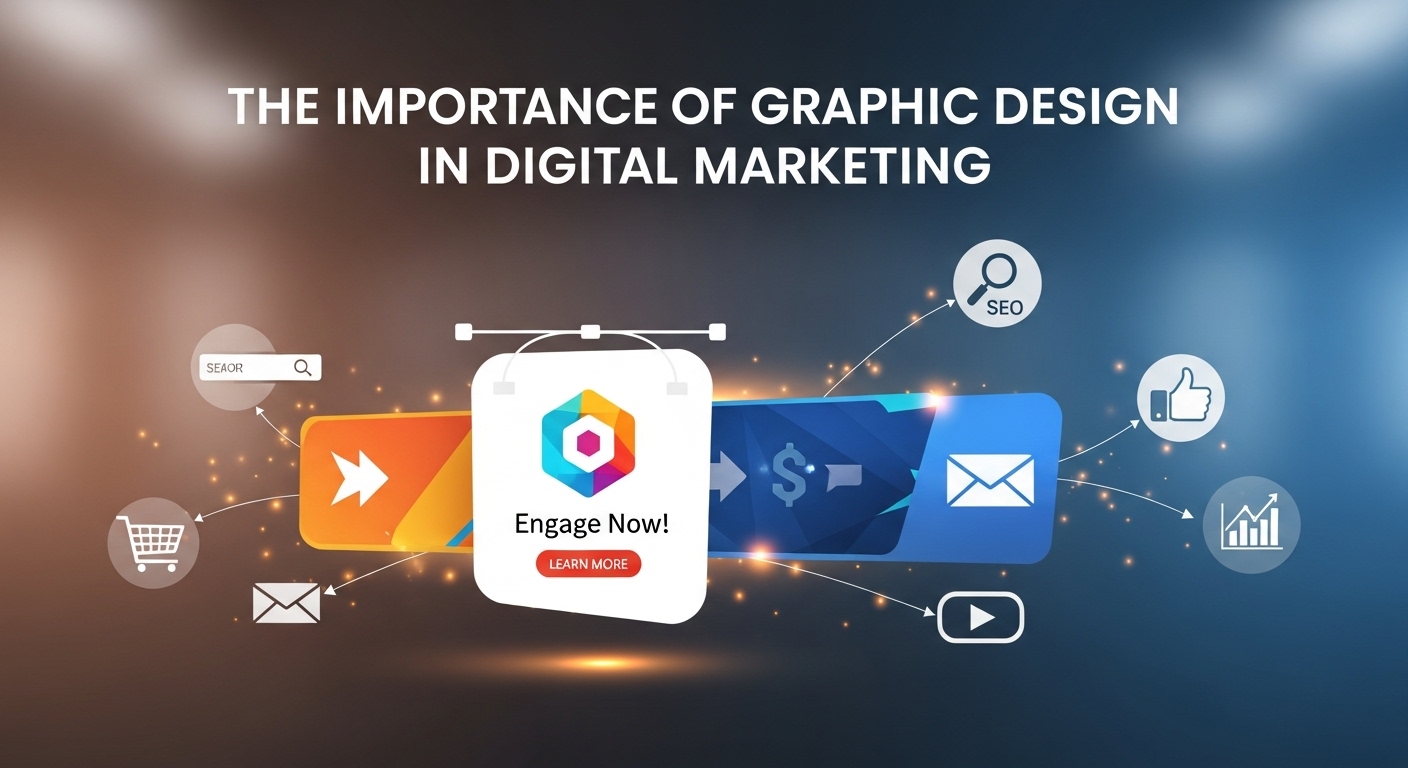
The Importance of Graphic Design in Digital Marketing
In the ever-evolving landscape of digital marketing, the role of graphic design has become more critical than ever. As businesses strive to capture the attention of their target audiences, graphic design emerges as a powerful tool for communication and brand positioning. This blog post explores the significance of graphic design in digital marketing, delves into its various aspects, and examines how it can transform marketing strategies.
The Role of Graphic Design in Brand Identity
At the core of any successful digital marketing strategy is a strong brand identity. Graphic design plays a pivotal role in shaping and communicating a brand’s personality, values, and mission. Through elements such as logos, color schemes, typography, and imagery, graphic design creates a cohesive visual language that resonates with consumers.
Consider brands like Apple, Nike, or Coca-Cola. Their logos and design elements are instantly recognizable, creating a lasting impression that reinforces their brand identity. A well-designed logo is more than just an image; it’s a symbol that encapsulates the essence of a brand. By investing in professional graphic design, businesses can establish a unique identity that sets them apart from the competition.
Enhancing User Experience Through Design
User experience (UX) is a key consideration in digital marketing. Graphic design significantly impacts how users interact with digital platforms, whether it’s a website, mobile app, or social media page. A well-designed interface is intuitive, visually appealing, and easy to navigate, all of which contribute to a positive user experience.
For instance, a well-structured website with clear calls-to-action (CTAs) and engaging visuals can guide users seamlessly through the customer journey. Graphic design elements such as buttons, navigation menus, and icons play a crucial role in guiding user behavior and encouraging desired actions, such as making a purchase or signing up for a newsletter.
Visual Content: A Catalyst for Engagement
In the digital age, attention spans are shorter than ever. Capturing and retaining the attention of online audiences is a challenge that graphic design can help address. Visual content, including images, infographics, and videos, is more engaging and shareable than text alone. It can quickly convey complex information and evoke emotions, making it a powerful tool for storytelling and brand engagement.
According to research by HubSpot, visual content is 40 times more likely to be shared on social media than other types of content. This highlights the importance of incorporating high-quality graphics into digital marketing campaigns to boost engagement and reach a wider audience.
Driving Conversions with Effective Design
Graphic design can significantly impact conversion rates in digital marketing. By creating visually compelling designs that align with the brand’s messaging, businesses can effectively guide users towards conversion. Elements such as landing pages, banners, and product images are critical touchpoints where design can influence decision-making.
For example, A/B testing different design elements on a landing page can reveal which visuals are most effective at driving conversions. By analyzing user behavior and preferences, businesses can refine their design strategies to optimize conversion rates and maximize return on investment (ROI).
The Influence of Graphic Design on SEO
While graphic design is often associated with aesthetics, it also plays a role in search engine optimization (SEO). Search engines consider user engagement as a ranking factor, and well-designed visuals can enhance user experience, leading to longer page visits and lower bounce rates. Additionally, properly optimized images with relevant alt text and file names can contribute to better search engine rankings.
Moreover, infographics and other visually rich content can attract backlinks from other websites, further boosting a site’s SEO performance. By integrating graphic design with SEO strategies, businesses can enhance their online visibility and attract more organic traffic.
Social Media and the Power of Visual Storytelling
Social media platforms are inherently visual, and graphic design is essential for creating content that stands out in crowded feeds. From eye-catching graphics to engaging video content, well-designed visuals are key to capturing attention and fostering engagement on social media.
Platforms like Instagram and Pinterest are particularly reliant on visuals, making graphic design an indispensable part of any social media marketing strategy. By creating visually appealing content tailored to each platform’s unique audience, businesses can effectively communicate their brand story and build a loyal following.
Conclusion: Investing in Professional Graphic Design
In conclusion, graphic design is a fundamental component of digital marketing that influences brand identity, user experience, engagement, conversions, and SEO. As the digital landscape continues to evolve, businesses that prioritize professional graphic design are better positioned to succeed in a competitive market.
By collaborating with skilled graphic designers, brands can create compelling visual narratives that resonate with their target audiences and drive tangible marketing results. As you consider your digital marketing strategy, remember that investing in high-quality graphic design is not just an option—it’s a necessity for achieving long-term success.
Emerging Trends in Graphic Design for Digital Marketing
As digital marketing continues to evolve, so too does the field of graphic design. Keeping abreast of emerging trends is essential for marketers who want to stay ahead of the curve and deliver fresh, relevant content to their audiences. Here are some key trends shaping the future of graphic design in digital marketing:
- 3D Design: With advancements in technology, 3D elements are becoming more accessible and popular in graphic design. They add depth and realism, making visuals more immersive and engaging. Brands are increasingly using 3D graphics in everything from product presentations to social media content.
- Minimalism: While detailed graphics have their place, minimalism is gaining traction as it focuses on simplicity and clarity. This design approach is particularly effective in creating a clean user experience and is often used in web design to enhance functionality and readability.
- Animated Visuals: Animation captures attention and can communicate messages more dynamically than static images. From subtle motion graphics to full-scale animations, these visuals are being integrated into websites, advertisements, and social media campaigns to enhance storytelling.
- Augmented Reality (AR): AR is transforming the way consumers interact with brands, offering interactive experiences that blend the digital and physical worlds. Graphic designers are creating AR content for apps and social media platforms, allowing users to engage with products in innovative ways.
- Custom Illustrations: Custom illustrations are becoming a popular alternative to stock images, offering unique and brand-specific visuals. These illustrations can convey complex ideas in a simple and relatable way, making them ideal for conveying brand narratives and enhancing visual storytelling.
Collaboration Between Marketers and Designers
Effective collaboration between marketers and graphic designers is crucial for the success of any digital marketing campaign. Marketers bring insights into target audiences and campaign objectives, while designers translate these insights into compelling visuals. Here are some best practices for fostering successful collaboration:
- Clear Communication: Establish open lines of communication between marketers and designers to ensure that goals, expectations, and timelines are clearly understood. Regular check-ins and feedback sessions can help align the team and address any issues early on.
- Shared Goals: Both marketers and designers should have a shared understanding of the campaign objectives and key performance indicators (KPIs). This alignment ensures that design elements are purposefully crafted to achieve the desired outcomes.
- Creative Freedom: While it’s essential to provide designers with guidelines and constraints, allowing them creative freedom encourages innovation and results in more original and impactful designs.
- Integrated Tools: Utilizing collaborative tools and platforms facilitates seamless communication and project management. These tools allow teams to share files, provide feedback, and track progress in real-time.
Case Studies: Successful Integration of Graphic Design in Campaigns
To demonstrate the power of graphic design in digital marketing, let’s explore a few case studies of successful campaigns:
Case Study 1: Spotify’s Year Wrapped Campaign
Spotify’s Year Wrapped campaign is an excellent example of how graphic design can be used to create personalized and shareable content. Each year, Spotify presents users with a visually engaging summary of their listening habits, complete with colorful graphics and animations. This campaign leverages data visualization and personalized design to drive user engagement and social sharing, contributing to Spotify’s brand presence and user retention.
Case Study 2: Airbnb’s Rebranding
Airbnb’s rebranding initiative is a testament to the importance of graphic design in redefining brand identity. By introducing the Bélo logo and a new design language, Airbnb successfully repositioned itself as a community-driven brand. The rebranding effort included a comprehensive overhaul of visual elements across platforms, resulting in a cohesive and appealing brand image that resonated with its global audience.
These case studies highlight how strategic graphic design can enhance brand visibility, engage audiences, and drive campaign success.
Conclusion: The Future of Graphic Design in Digital Marketing
As digital marketing continues to evolve, graphic design remains an indispensable component of successful marketing strategies. From establishing brand identity and enhancing user experience to driving conversions and fostering engagement, the impact of graphic design is far-reaching. By staying informed about emerging trends and fostering effective collaboration between marketers and designers, businesses can leverage graphic design to create powerful, visually compelling marketing campaigns that resonate with their audiences.
Ultimately, investing in professional graphic design is not just about aesthetics; it’s a strategic decision that can significantly influence a brand’s digital marketing success and long-term growth.

![“Graphic Design Trends to Watch Out for in [Current Year]”](https://projeto-br.com/wp-content/uploads/2026/01/Whisk_6472ef731e60e2b86ee42a32b6e54b34dr-660x470.jpeg)