![“Graphic Design Trends to Watch Out for in [Current Year]”](https://projeto-br.com/wp-content/uploads/2026/01/Whisk_6472ef731e60e2b86ee42a32b6e54b34dr.jpeg)
“Graphic Design Trends to Watch Out for in [Current Year]”
Graphic Design Trends to Watch Out for in 2023
In the ever-evolving world of graphic design, staying updated with the latest trends is crucial for designers who strive to remain relevant and competitive. As technology and consumer preferences shift, so do the styles and methods that define the industry. In 2023, several exciting trends are emerging, reshaping the landscape of graphic design and influencing the way designers approach their craft.
The Rise of Minimalism with a Twist
While minimalism has been a dominant trend for years, 2023 sees a refreshing twist on this classic style. Designers are now incorporating unexpected elements into minimalistic layouts, such as bold typography, vibrant colors, and asymmetric compositions. This approach maintains the clean and straightforward essence of minimalism while adding a layer of intrigue and dynamism that captures viewers’ attention.
Consider exploring resources on Creative Bloq for insights on how to effectively integrate minimalism with contemporary design elements.
3D Design Takes Center Stage
Three-dimensional design is not a new concept, but in 2023, it has become more accessible and prevalent. With advancements in software and technology, creating stunning 3D visuals is no longer limited to specialized industries. Designers across various sectors are leveraging 3D design to create more immersive and engaging content. This trend is particularly noticeable in branding, advertising, and web design, where companies strive to create memorable experiences for their audiences.
For those interested in diving deeper into 3D design, Adobe offers a range of tools and tutorials to help designers harness the power of this trend.
Sustainable and Eco-Friendly Design
As environmental awareness grows, so does the demand for sustainable and eco-friendly design practices. In 2023, designers are increasingly incorporating green principles into their work, emphasizing the use of recycled materials, sustainable printing techniques, and digital solutions to reduce waste. This trend not only resonates with eco-conscious consumers but also reflects a broader cultural shift towards sustainability across industries.
Learn more about sustainable design practices at AIGA, where you can find valuable resources and guidelines for implementing eco-friendly strategies in your projects.
Augmented Reality (AR) in Graphic Design
Augmented Reality (AR) has been gaining traction in recent years, and in 2023, it is poised to become a staple in graphic design. AR allows designers to overlay digital elements onto the real world, creating interactive and immersive experiences for users. This technology is particularly popular in marketing and retail, where brands use AR to enhance product visualization and customer engagement.
For innovative applications of AR in design, check out the latest developments at The Verge, where technology and design converge.
Retro Futurism: Nostalgia Meets Innovation
Retro futurism combines the nostalgic elements of past design with futuristic aesthetics, resulting in a unique and captivating style. This trend is characterized by vibrant colors, geometric patterns, and a blend of vintage and modern typography. In 2023, designers are increasingly drawn to this style as it allows them to experiment with creative storytelling and visual expression.
For inspiration and examples of retro futurism, consider visiting Behance, where designers showcase their innovative takes on this trend.
Conclusion: Embracing Change in Graphic Design
The graphic design landscape in 2023 is dynamic and full of opportunities for innovation. By keeping an eye on these emerging trends, designers can push the boundaries of creativity and remain at the forefront of the industry. Whether it’s incorporating minimalism with a twist, exploring the capabilities of 3D design, embracing sustainability, leveraging AR technology, or diving into retro futurism, the key is to stay adaptable and open to new ideas.
Ultimately, the success of a designer in this ever-changing field depends on their ability to blend the latest trends with timeless design principles, creating visually compelling and meaningful experiences for audiences worldwide.
Typography Trends: Bold and Expressive
Typography has always been a crucial element in graphic design, and in 2023, it continues to evolve in exciting ways. Designers are experimenting with bold and expressive fonts, pushing the boundaries of traditional typography. Custom typefaces, variable fonts, and creative letterforms are being used to convey brand identity and enhance the overall visual impact of designs. This trend allows for greater personalization and storytelling through typography.
To explore more about modern typography trends, the Hoefler&Co website offers a wealth of information and inspiration for designers looking to innovate with type.
Data Visualization: Making Information Beautiful
As the world becomes increasingly data-driven, the need for effective data visualization has never been greater. In 2023, graphic designers are tasked with transforming complex datasets into visually appealing and easily understandable graphics. This trend emphasizes the importance of clarity, accuracy, and aesthetics in data representation. Interactive infographics, dynamic charts, and visually engaging dashboards are just a few examples of how designers are bringing data to life.
For insights and examples of impactful data visualization, the Information is Beautiful site showcases a variety of projects that demonstrate the power of well-designed data graphics.
Embracing Diversity and Inclusivity
In 2023, the graphic design industry is placing a strong emphasis on diversity and inclusivity. Designers are increasingly aware of the need to create visuals that reflect the diverse world we live in. This trend involves representing different cultures, ethnicities, genders, and abilities in design work. By doing so, designers not only contribute to social change but also reach a broader audience that resonates with inclusive visuals.
For resources on inclusive design practices, the W3C Web Accessibility Initiative provides guidelines and tools for creating accessible and inclusive designs.
The Integration of AI in Design Processes
Artificial intelligence (AI) is revolutionizing the graphic design industry by streamlining workflows and introducing new creative possibilities. In 2023, AI tools are being used for tasks like generating design variations, automating repetitive processes, and even creating art and illustrations. This trend allows designers to focus more on the strategic and creative aspects of their work, enhancing efficiency and innovation.
To learn more about the impact of AI on the design industry, the Forbes website offers articles and insights on how AI is shaping the future of design.
Motion Graphics: Bringing Designs to Life
Motion graphics continue to gain popularity as they add an element of dynamism and engagement to digital content. In 2023, designers are increasingly incorporating animation and motion into their projects, from website designs to social media content. Motion graphics help capture attention, convey messages more effectively, and create memorable experiences for audiences. This trend highlights the importance of storytelling and creativity in design.
For inspiration and resources on motion graphics, Motionographer is a go-to platform showcasing the latest in animation and motion design.
Conclusion: The Future of Graphic Design
The trends shaping graphic design in 2023 reflect a dynamic and innovative industry that constantly adapts to new technologies, cultural shifts, and consumer preferences. By embracing these trends, designers can remain at the cutting edge of their field and continue to create impactful and meaningful work. Whether through minimalism, 3D design, sustainable practices, AR, expressive typography, data visualization, inclusivity, AI integration, or motion graphics, the opportunities for creativity and innovation are endless.
Ultimately, the future of graphic design lies in the ability to balance emerging trends with timeless design principles, ensuring that the work produced not only meets the demands of the present but also stands the test of time.
Color Trends: Vivid and Unexpected Palettes
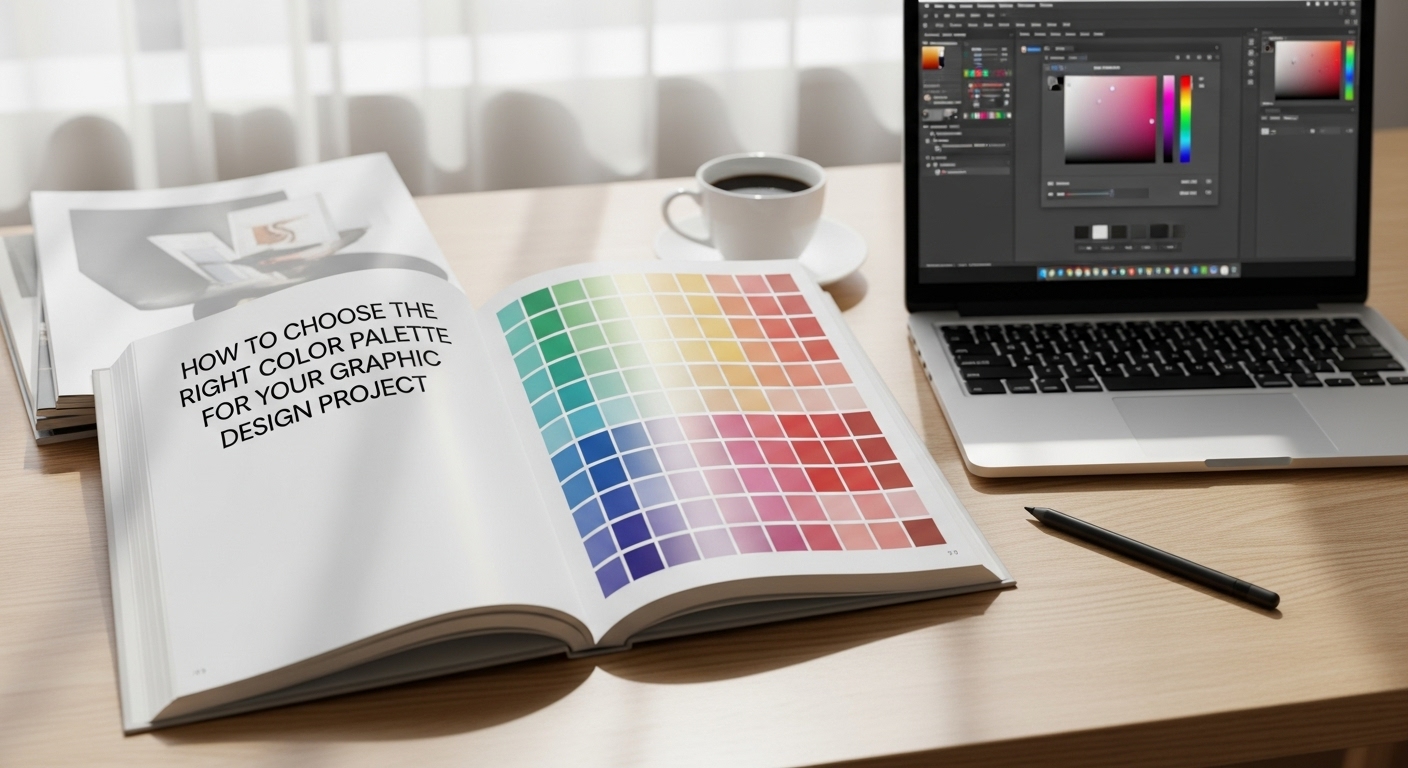
Color is a powerful tool in design, and 2023 is witnessing a shift towards vivid and unexpected color palettes. Designers are moving away from the subdued tones of past years, opting instead for bright, bold colors that evoke emotion and capture attention. This trend is often characterized by unusual color combinations and gradients that create a dynamic and modern look. By playing with color in innovative ways, designers can make their work stand out and resonate with audiences.
For guidance on selecting and using bold color schemes effectively, Colour Lovers offers a community-driven platform where designers share and explore new color palettes.
Custom Illustrations: Personalization and Storytelling
In an age where personalization is key, custom illustrations are becoming increasingly popular in graphic design. By creating unique, hand-drawn elements, designers can add a personal touch to their projects and differentiate brands from the competition. Custom illustrations are versatile and can be used in various applications, from website designs to packaging and advertising. This trend emphasizes the importance of storytelling and creativity, allowing designers to convey messages in a more engaging and authentic way.
For inspiration on incorporating illustrations into your designs, the Dribbble platform is a great resource for discovering diverse styles and techniques from talented illustrators worldwide.
Neomorphism: A Blend of Skeuomorphism and Flat Design
Neomorphism is an emerging trend that combines elements of skeuomorphism and flat design, creating a soft, realistic look with subtle shadows and highlights. This design style gives digital interfaces a tactile feel, enhancing user experience by making elements appear more interactive and lifelike. In 2023, neomorphism is being adopted in UI/UX design, app interfaces, and web design, providing a fresh and modern aesthetic that appeals to users’ senses.
For resources and tutorials on implementing neomorphism in your projects, Smashing Magazine offers a wealth of articles on the latest design techniques and trends.
Conclusion: The Continuous Evolution of Graphic Design
As we delve deeper into 2023, the graphic design landscape continues to evolve, driven by technological advancements, cultural shifts, and changing consumer preferences. Designers who adapt to these trends and integrate them thoughtfully into their work will not only stay relevant but also lead the industry in innovation and creativity. From vivid colors and custom illustrations to neomorphism and beyond, the opportunities for pushing creative boundaries are vast.
Ultimately, the future of graphic design is about embracing change while maintaining a strong foundation in design principles. By doing so, designers can create work that is not only visually stunning but also meaningful and impactful, resonating with audiences across the globe. As we look ahead, the possibilities for growth and exploration in graphic design are limitless, making it an exciting time to be a part of this dynamic field.