Updated: April 11, 2026
Motion Design vs. Traditional Animation: Understanding the Key Differences
In the ever-evolving landscape of visual storytelling, both motion design and traditional animation hold significant places. While they may appear similar to the untrained eye, these two mediums have distinct characteristics and applications that set them apart. In this post, we’ll delve into the core differences between motion design and traditional animation, exploring their unique attributes, techniques, and uses in the creative industry.
Defining Motion Design
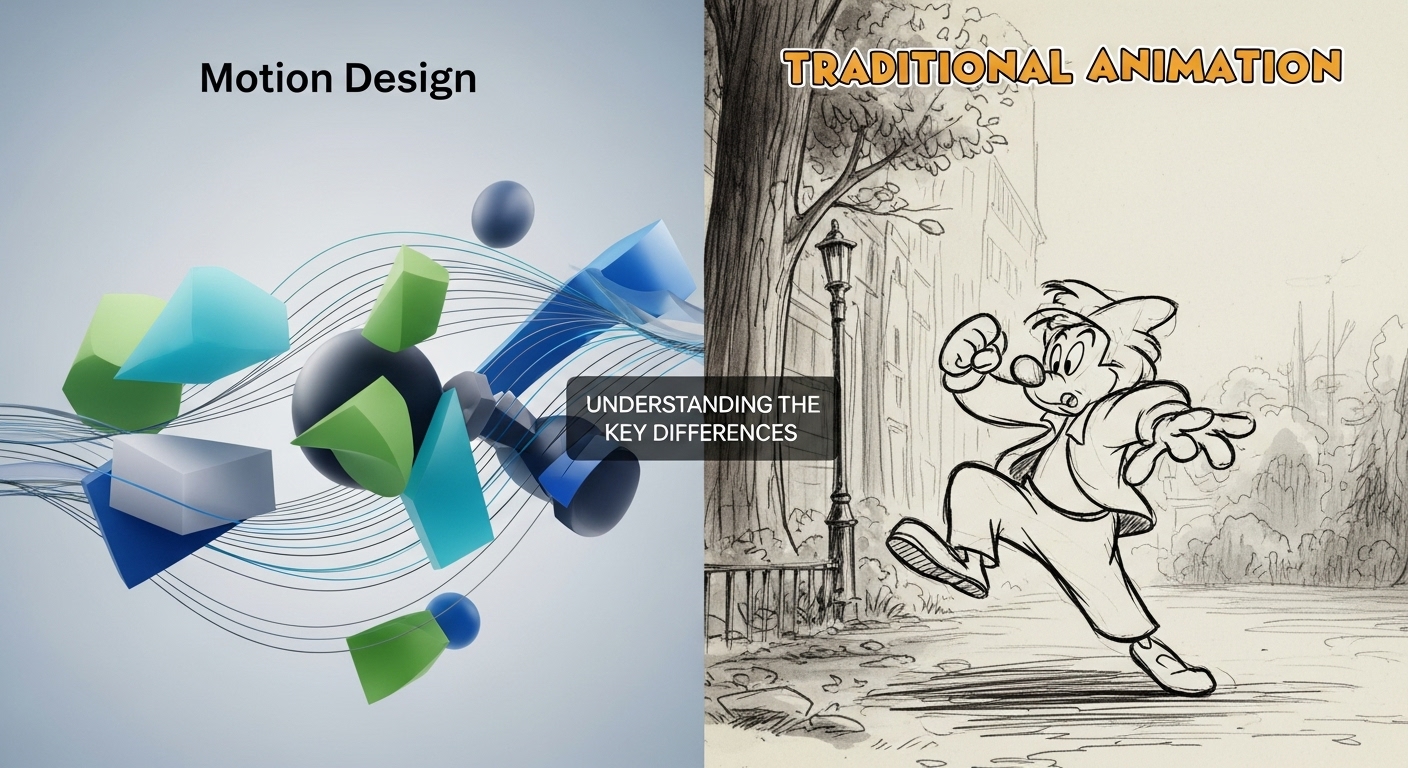
Motion design, also known as motion graphics, refers to the art of using graphic design principles in a filmmaking or video production context through the use of animation or filmic techniques. It involves the creation of animated graphic elements, such as text, logos, and other visual components, to convey a message or tell a story. Motion design is often seen in commercials, movie title sequences, and digital advertisements.
A key characteristic of motion design is its strong emphasis on graphic design and typography. It aims to create visually engaging and dynamic content that communicates information effectively. Unlike traditional animation, which often tells a narrative story, motion design tends to focus on the aesthetic arrangement of elements in motion.
Understanding Traditional Animation
Traditional animation, on the other hand, is a technique in which each frame of the film is drawn individually. This method is also known as cel animation or hand-drawn animation. It is the classic form of animation that has been used in countless beloved films and television shows over the decades. Traditional animation is characterized by its detailed and expressive character movements and its ability to create rich, narrative-driven stories.
One of the most famous examples of traditional animation is Disney’s “Snow White and the Seven Dwarfs,” which showcases the meticulous artistry and storytelling potential of this medium. Traditional animation often requires a team of skilled artists who draw each scene by hand, resulting in a time-intensive and laborious process.
Techniques and Tools
Motion design and traditional animation employ different techniques and tools, which contribute to their distinctive characteristics.
Motion Design Techniques and Tools
Motion design relies heavily on software tools such as Adobe After Effects, Cinema 4D, and Blender. These programs allow designers to create and animate graphic elements with precision and ease. The use of digital tools enables designers to experiment with various effects, transitions, and styles to achieve the desired look and feel.
Moreover, motion designers often utilize 3D modeling and animation to add depth and realism to their projects. This approach allows for more complex and dynamic visual storytelling, often used in advertising and brand promotions.
Traditional Animation Techniques and Tools
Traditional animation, in contrast, is rooted in hand-drawing techniques. Artists create each frame by hand, either on paper or digitally using tablets. This process requires a deep understanding of anatomy, movement, and timing to bring characters and scenes to life.
While digital tools such as TVPaint and Toon Boom Harmony have modernized the traditional animation process, the fundamental skills remain the same. These tools provide animators with the flexibility to create hand-drawn animations in a digital environment, preserving the artistry and authenticity of traditional methods.
Applications and Use Cases
Both motion design and traditional animation have distinct applications and use cases in various industries. Understanding these differences can help professionals choose the right medium for their projects.
Applications of Motion Design
Motion design is widely used in the marketing and advertising industry due to its ability to create eye-catching and informative content quickly. It is an excellent medium for conveying complex information in a visually appealing manner. Businesses often use motion design for explainer videos, product demonstrations, and promotional materials.
Furthermore, motion design is a staple in the film and television industry, particularly in title sequences and visual effects. The iconic opening credits of the James Bond films, for example, utilize motion design to set the tone and style of each movie.
Applications of Traditional Animation
Traditional animation remains a powerful storytelling medium, particularly in the realm of feature films and television series. Its ability to create expressive characters and immersive worlds makes it ideal for narrative-driven projects. Studios like Studio Ghibli and Disney continue to produce successful films that showcase the timeless appeal of traditional animation.
Additionally, traditional animation is often used in art and educational projects, where the emphasis is on creativity and expression. It allows artists to explore unique visual styles and techniques that might not be achievable through other mediums.
Advantages and Challenges
Both motion design and traditional animation come with their own set of advantages and challenges, influencing the choice of medium based on project requirements.
Advantages of Motion Design
One of the main advantages of motion design is its efficiency. The use of digital tools allows for rapid prototyping and iteration, making it suitable for projects with tight deadlines. Additionally, motion design can be more cost-effective than traditional animation, as it often requires fewer resources and personnel.
Moreover, motion design is highly versatile and can be adapted to various styles and formats. Its ability to integrate with live-action footage and 3D elements opens up endless possibilities for creative expression.
Challenges of Motion Design
Despite its advantages, motion design can sometimes lack the emotional depth and character expressiveness found in traditional animation. Its focus on graphic elements and typography may not be suitable for every storytelling context.
Furthermore, the rapid pace of technological advancements in motion design tools requires designers to continuously update their skills and knowledge to stay relevant in the industry.
Advantages of Traditional Animation
Traditional animation offers unparalleled artistic freedom and expression. Its hand-drawn nature allows for unique visual styles and character designs that can create a deep emotional connection with the audience. The meticulous craftsmanship involved in traditional animation is often appreciated by viewers and critics alike.

Additionally, traditional animation has a timeless quality that appeals to audiences of all ages. Its rich history and cultural significance continue to inspire new generations of artists and storytellers.
Challenges of Traditional Animation
The primary challenge of traditional animation is its time-consuming and labor-intensive process. Creating each frame by hand requires a significant investment of time and resources, which can be a deterrent for projects with limited budgets and tight schedules.
Moreover, the demand for traditional animation skills in the job market may be lower compared to digital animation, requiring artists to diversify their skill sets to remain competitive.
Takeaways
In conclusion, both motion design and traditional animation are valuable mediums in their own right, each with unique strengths and challenges. Understanding the key differences between these two forms of animation can help creators make informed decisions about which medium best suits their project needs.
Whether it’s the dynamic and visually engaging nature of motion design or the expressive and timeless quality of traditional animation, both forms continue to captivate audiences and push the boundaries of visual storytelling. As technology and creativity continue to evolve, the possibilities for both motion design and traditional animation are endless, promising an exciting future for artists and audiences alike.
Future Trends in Motion Design and Traditional Animation
As both motion design and traditional animation continue to evolve, several emerging trends are shaping their futures. These trends are driven by technological advancements, changing consumer preferences, and the increasing demand for engaging and unique content.
Technological Innovations
In the realm of motion design, technology is a major driving force. The rise of virtual reality (VR) and augmented reality (AR) is creating new opportunities for motion designers to craft immersive experiences. As VR and AR become more mainstream, motion design will play a critical role in developing interactive content for these platforms.
Similarly, advancements in artificial intelligence (AI) and machine learning are beginning to influence the animation industry. These technologies can assist in automating certain aspects of animation production, potentially reducing the time and cost involved in creating both motion design and traditional animation projects.
Hybrid Techniques
Another trend gaining traction is the blending of motion design and traditional animation techniques. This hybrid approach allows creators to leverage the strengths of both mediums, resulting in innovative and captivating visuals. For instance, combining hand-drawn elements with digital effects can produce a unique aesthetic that resonates with audiences.
This fusion is particularly evident in films and advertisements where the narrative depth of traditional animation is enhanced by the sleek, modern touch of motion design. As artists continue to experiment with these combinations, the line between the two mediums may become increasingly blurred.
Audience Engagement and Interactivity
Audience engagement is becoming a key focus for both motion designers and traditional animators. In a digital age where viewers have shorter attention spans, creating content that is not only visually appealing but also interactive is crucial. Motion design, with its ability to convey information quickly and effectively, is well-suited for interactive platforms and social media.
Interactive animations and web-based experiences are on the rise, allowing users to engage with content in new and meaningful ways. This trend encourages greater audience participation and can lead to more personalized and memorable experiences.
Sustainability and Ethical Practices
As with many industries, there is an increasing awareness of sustainability and ethical practices within animation. Both motion design and traditional animation are exploring ways to reduce their environmental impact. For motion design, this might involve optimizing workflows to reduce energy consumption, while traditional animation studios may look into using eco-friendly materials and techniques.
Moreover, ethical storytelling is becoming more prominent, with creators being mindful of the messages and cultural representations portrayed in their work. This shift towards responsible and inclusive content is likely to influence future projects and industry standards.
Educational Opportunities and Career Paths
For aspiring artists and animators, understanding the distinctions between motion design and traditional animation can guide their educational and career choices. Both fields offer diverse opportunities, but the skills required can differ significantly.
Educational Pathways
Those interested in motion design might pursue degrees in graphic design, digital media, or animation with a focus on digital techniques. These programs typically cover software skills, design principles, and motion graphics, preparing students for roles in advertising, film, and digital content creation.
Conversely, traditional animation enthusiasts may choose programs that emphasize drawing skills, storytelling, and animation principles. Courses in fine arts or animation can provide a solid foundation for a career in film and television production.
Career Trajectories
Motion designers often find opportunities in advertising agencies, design studios, and media companies. Their expertise in creating compelling digital content is in high demand across various industries. As technology continues to advance, motion designers can anticipate growing opportunities in emerging fields like VR and AR.
Traditional animators may pursue careers in film and television studios, gaming companies, or independent production. Their ability to create emotive and detailed animations remains a sought-after skill, particularly in projects that prioritize narrative depth and visual artistry.
Both career paths offer the potential for freelance work, allowing artists to work on diverse projects and collaborate with international clients. As the demand for high-quality animation and design continues to rise, skilled professionals in both fields are well-positioned for success.
Conclusion: Choosing the Right Medium
Ultimately, the choice between motion design and traditional animation depends on the project’s goals, audience, and resources. While motion design is ideal for fast-paced, visually dynamic content, traditional animation excels in character-driven storytelling with emotional depth.
By understanding the key differences and potential of each medium, creators can make informed decisions that enhance their storytelling and visual impact. As both fields continue to innovate and adapt, the future of animation promises exciting possibilities for artists and audiences alike. Whether through the sleek sophistication of motion design or the timeless charm of traditional animation, the art of bringing stories to life remains as captivating as ever.