Updated: April 11, 2026
The Power of Sustainable Design: How It’s Reshaping Our World
In recent years, the concept of sustainable design has surged to the forefront of innovation across various sectors. As the global community grapples with climate change, resource depletion, and environmental degradation, sustainable design presents itself as a beacon of hope. This approach not only aims to reduce environmental impact but also seeks to enhance the quality of life for all. In this article, we explore how sustainable design is reshaping our world, from architecture to consumer products, and highlight its profound impact on society and the environment.
Understanding Sustainable Design
Sustainable design, also known as eco-design or green design, is a philosophy that considers the environmental, social, and economic impacts of design decisions. The primary goal is to create products, buildings, and systems that are environmentally responsible and resource-efficient throughout their lifecycle. This includes everything from initial concept development to disposal or recycling. For a deeper understanding, the Environmental Protection Agency provides comprehensive resources on sustainable design principles.
The Pillars of Sustainable Design
To achieve its objectives, sustainable design relies on several key principles:
- Resource Efficiency: Minimizing the use of non-renewable resources and maximizing the use of renewable ones.
- Lifecycle Perspective: Considering the environmental impact of a product from its creation, through its use, and ultimately its disposal.
- Pollution Prevention: Reducing waste and emissions at their source rather than managing them after they have been created.
- Quality of Life: Enhancing human well-being and societal equity.
Sustainable Architecture: Building a Greener Future
One of the most visible applications of sustainable design is in architecture. Sustainable architecture seeks to minimize the negative environmental impact of buildings by enhancing efficiency and moderation in the use of materials, energy, and development space. The adoption of LEED certification standards exemplifies this commitment to sustainability. LEED, which stands for Leadership in Energy and Environmental Design, is a globally recognized certification that ensures buildings meet high environmental standards.
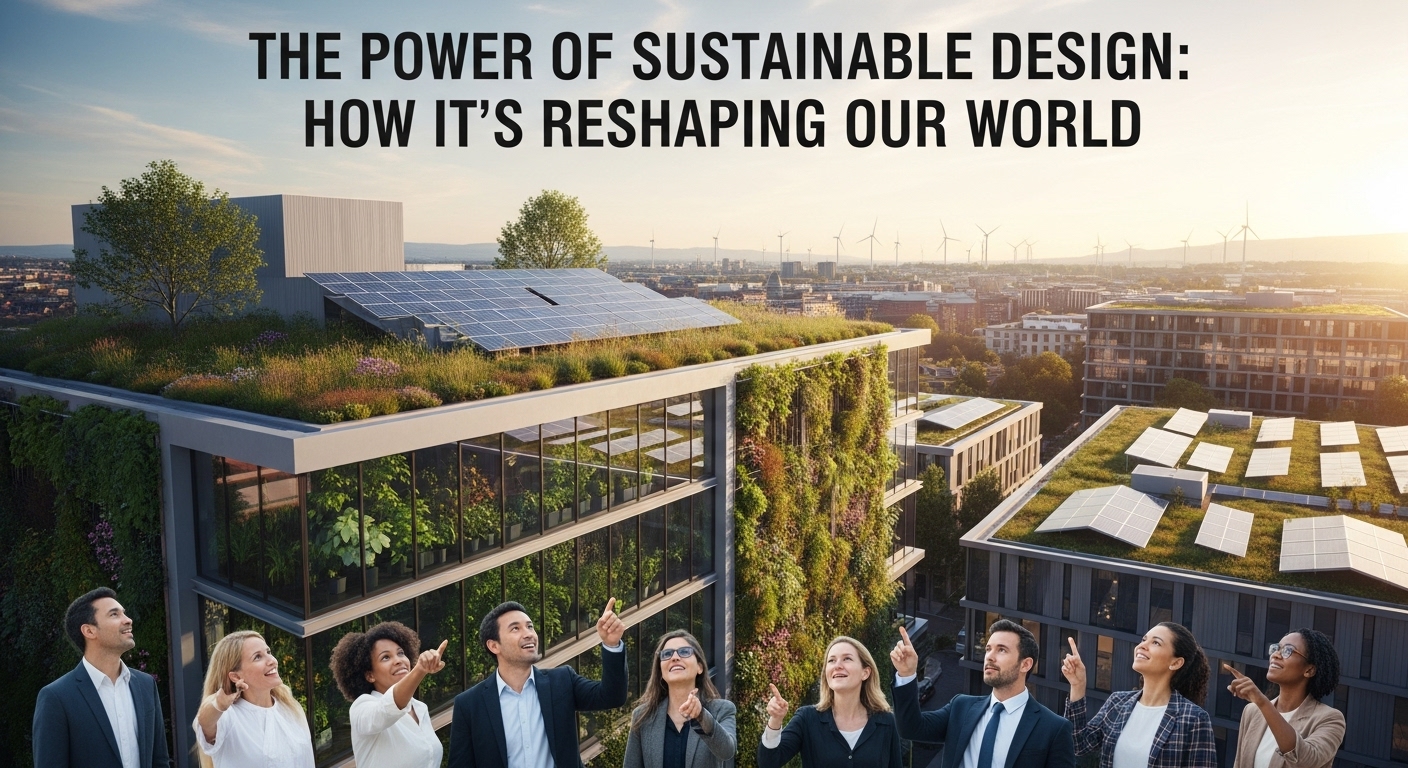
Innovative strategies such as the use of renewable energy sources, like solar and wind power, the implementation of rainwater harvesting systems, and the incorporation of green roofs are transforming our urban landscapes. Green buildings not only reduce energy consumption but also improve indoor air quality and overall health outcomes for their occupants.
Product Design: Sustainable Innovation
In product design, sustainability is driving innovation in materials and processes. Designers are increasingly focusing on creating products that use recycled materials, are easy to recycle after their life cycle, and are manufactured with minimal environmental impact. A notable example is the shift towards biodegradable packaging materials, reducing the reliance on plastics and decreasing landfill contributions.
Moreover, the concept of a circular economy is gaining traction, which focuses on designing out waste and pollution, keeping products and materials in use, and regenerating natural systems. The Ellen MacArthur Foundation provides extensive insights into how the circular economy can reshape industries.
Urban Planning: Designing Sustainable Communities
Sustainable design also plays a crucial role in urban planning. As cities grow, the need for sustainable solutions becomes increasingly urgent. Sustainable urban planning aims to create communities that are environmentally friendly, economically viable, and socially inclusive. This involves creating walkable cities, improving public transportation, and increasing green spaces, which enhances both the environment and quality of life for residents.
One exemplary initiative is the concept of “15-minute cities,” where all essential services are accessible within a 15-minute walk or bike ride from home. This concept not only reduces carbon footprints but also fosters community interaction and supports local businesses.
The Role of Technology in Sustainable Design
Technology is a powerful enabler of sustainable design. Advances in digital tools and smart technologies are helping designers and architects create more efficient, sustainable, and responsive environments. For example, Building Information Modeling (BIM) enables architects to simulate and analyze the environmental impact of buildings before they are constructed, optimizing energy use and resource management.
Additionally, the integration of Internet of Things (IoT) devices in buildings allows for real-time monitoring and management of energy consumption, ensuring resource optimization and sustainability. The Smart Cities World offers insights into how IoT is shaping the future of smart and sustainable cities.
Challenges and Opportunities
While sustainable design presents immense opportunities, it also faces several challenges. One of the major obstacles is the higher initial cost associated with sustainable materials and technologies. However, these costs are often offset by long-term savings in energy and resource efficiency. There is also a need for greater awareness and education among consumers and industries about the benefits of sustainable design.
Despite these challenges, the trend towards sustainability is irreversible. As more individuals, companies, and governments recognize the importance of sustainable design, the demand for innovative solutions continues to grow. This shift not only opens up new markets and opportunities but also inspires a new generation of designers committed to making a positive impact on the planet.
Conclusion: A Vision for the Future
The power of sustainable design lies in its ability to transform our world into a more resilient, equitable, and environmentally harmonious place. By rethinking the way we design our buildings, products, and communities, we can address some of the most pressing environmental challenges of our time. As we move forward, the principles of sustainable design will undoubtedly play a pivotal role in shaping a sustainable future for generations to come.
For anyone interested in diving deeper into the principles and applications of sustainable design, the Whole Building Design Guide offers a wealth of resources and case studies. As we continue to innovate and push the boundaries of what’s possible, sustainable design holds the promise of a better, brighter future.
Case Studies: Success Stories in Sustainable Design
To further illustrate the impact of sustainable design, let’s explore some inspiring case studies that highlight successful implementations across various sectors.
Masdar City, UAE
Masdar City in the United Arab Emirates is a prime example of sustainable urban design. Conceived as a car-free city, Masdar integrates renewable energy sources such as solar and wind power, and maximizes energy efficiency in its buildings. The city is designed to be self-sustaining, aiming to produce zero waste and zero carbon emissions. This visionary project demonstrates how urban planning can harmoniously blend with the environment to create a sustainable living space.
The Bullitt Center, Seattle
The Bullitt Center in Seattle is often referred to as the greenest commercial building in the world. It was designed to meet the stringent requirements of the Living Building Challenge, which goes beyond traditional sustainable building certifications. The building generates all of its energy through solar panels, captures and treats rainwater for use, and has composting toilets. This project showcases the potential for commercial buildings to operate sustainably and independently from the grid.
IKEA’s Sustainable Product Line
Global furniture giant IKEA has made significant strides in sustainable product design. Their commitment to sustainability is evident in their product lines that utilize renewable materials and are designed for easy disassembly and recycling. IKEA has also invested in renewable energy, with a goal to produce as much renewable energy as it consumes by 2020. These efforts underscore how large corporations can lead the way in sustainable manufacturing practices.
Education and Advocacy
Education plays a crucial role in advancing sustainable design. As awareness of environmental issues grows, educational institutions are increasingly incorporating sustainability into their curricula. This equips future designers, architects, and engineers with the knowledge and skills needed to create sustainable solutions.
Non-profit organizations and advocacy groups are also pivotal in promoting sustainable design practices. These entities work to raise awareness, influence policy, and provide resources for sustainable development. The Industrial Designers Society of America offers educational resources and advocates for sustainable design practices among professionals and students alike.
The Future of Sustainable Design
The future of sustainable design is promising, with advances in technology and materials science opening up new possibilities. Innovations such as biodegradable materials, smart home technologies, and sustainable transportation systems are poised to redefine our relationship with the environment. As these technologies become more accessible, the integration of sustainable design principles will become commonplace.
Moreover, as governments and international bodies set more ambitious environmental targets, the demand for sustainable design solutions will continue to grow. This creates a fertile ground for innovation and investment, driving economic growth while ensuring environmental stewardship.
Final Thoughts
Sustainable design is not just a trend; it is a necessity for the survival and prosperity of our planet. By embracing sustainable design principles, we can mitigate the damage already done to our environment and pave the way for a more sustainable future. The examples of Masdar City, the Bullitt Center, and IKEA demonstrate that sustainable design is both achievable and beneficial.
As individuals, we can contribute by making conscious choices in our consumption and supporting businesses and products that prioritize sustainability. Together, through collective effort and innovation, we can harness the power of sustainable design to reshape our world for the better.
The journey towards a sustainable future is ongoing, and it requires the participation of all sectors of society. By fostering a culture of sustainability, we can ensure that future generations inherit a world that is not only livable but thriving.