Updated: April 11, 2026
The Role of Social Design in Community Development: A Deep Dive
In the pursuit of creating sustainable and thriving communities, the concept of social design has emerged as a transformative approach. It emphasizes the importance of inclusive, participatory, and human-centered processes in developing environments that cater to the diverse needs of community members. This blog post delves into the significance of social design in community development, exploring its principles, methodologies, and impact on creating resilient communities.
Understanding Social Design
Social design is an innovative approach that integrates social and environmental considerations into the development of products, services, and systems. Unlike traditional design practices that often prioritize aesthetics or functionality, social design focuses on improving human well-being and fostering social equity. It seeks to address complex societal challenges through creative and collaborative solutions.
The core principle of social design is to involve community members in the design process, ensuring that their voices are heard and their needs are addressed. This participatory approach not only results in more relevant and effective solutions but also empowers individuals and strengthens social ties within the community.
The Principles of Social Design
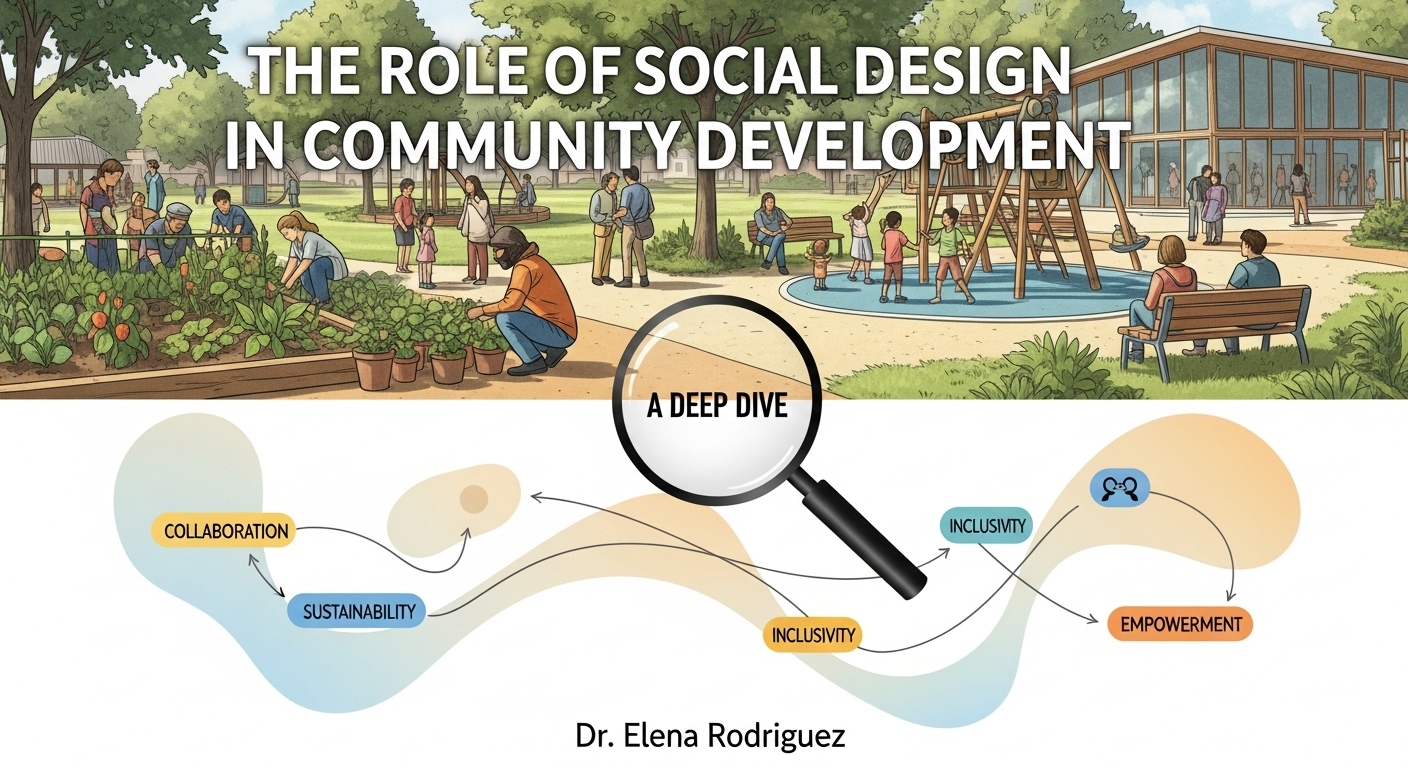
Social design operates on several key principles that guide its application in community development:
- Inclusivity: Social design aims to involve all stakeholders in the decision-making process, particularly marginalized and underrepresented groups. This ensures that the perspectives and needs of diverse community members are considered.
- Sustainability: Solutions developed through social design prioritize environmental sustainability and long-term viability. They seek to minimize negative impacts on the environment and promote resource conservation.
- Empathy: Understanding the experiences and emotions of community members is crucial in social design. Empathy-driven approaches help create solutions that truly resonate with people’s lives.
- Collaboration: Social design encourages collaboration between designers, community members, local organizations, and other stakeholders. This collective effort enhances creativity and problem-solving capabilities.
- Adaptability: Social design recognizes that communities are dynamic and constantly evolving. Solutions must be flexible and adaptable to changing circumstances and emerging needs.
Methodologies in Social Design
Social design employs a variety of methodologies to engage communities and develop impactful solutions. Some of the most commonly used methods include:
Human-Centered Design
Human-centered design is a cornerstone of social design, emphasizing empathy and understanding the needs of the people for whom solutions are being created. The process involves three main phases: inspiration, ideation, and implementation. By actively involving community members throughout these phases, designers can develop solutions that are meaningful and relevant.
Co-Design
Co-design, also known as participatory design, involves direct collaboration between designers and community members. This approach empowers individuals by giving them an active role in the design process. It fosters a sense of ownership and ensures that solutions are aligned with the community’s values and aspirations.
Design Thinking
Design thinking is a problem-solving framework that emphasizes creativity, experimentation, and user-centered insights. It encourages an iterative process of prototyping and testing solutions with real users. Through this approach, designers can refine their ideas and develop solutions that effectively address community needs.
Impact of Social Design on Community Development
Social design has demonstrated significant positive impacts on community development across various domains. Here are a few examples:
Urban Planning and Public Spaces
In urban planning, social design principles have been instrumental in creating inclusive public spaces that encourage social interaction and community cohesion. By involving community members in the planning process, cities can develop parks, plazas, and streetscapes that reflect the unique character and needs of their residents. For instance, the Project for Public Spaces has been a pioneer in promoting placemaking strategies that prioritize people over cars, resulting in vibrant and accessible public spaces.
Healthcare and Well-being
Social design has also played a crucial role in enhancing healthcare delivery and promoting well-being. By understanding the lived experiences of patients and healthcare providers, designers can develop solutions that improve patient outcomes and streamline care processes. The World Health Organization emphasizes the importance of addressing social determinants of health, and social design can be a powerful tool in achieving this goal.
Education and Learning Environments
In the realm of education, social design has contributed to the creation of innovative learning environments that foster creativity and collaboration. By involving students, teachers, and parents in the design process, educational spaces can be tailored to support diverse learning styles and promote a sense of belonging. The Design for Education initiative highlights the potential of design in transforming educational experiences and outcomes.
Challenges and Opportunities
While social design offers numerous benefits, it also presents certain challenges. One of the main obstacles is ensuring genuine and meaningful participation from all community members. This requires building trust and overcoming cultural, linguistic, and socio-economic barriers.
Additionally, balancing diverse interests and priorities can be complex, requiring skilled facilitation and negotiation. However, these challenges also present opportunities for growth and innovation. By embracing diverse perspectives and fostering open dialogue, social design can drive positive change and build more resilient communities.
Takeaways
Social design is a powerful approach that holds immense potential for transforming communities and promoting sustainable development. By prioritizing inclusivity, empathy, and collaboration, social design empowers individuals and fosters a sense of agency and ownership. As communities continue to face complex challenges, the principles and methodologies of social design offer valuable tools for creating environments that are not only functional and aesthetically pleasing but also socially equitable and sustainable.
As we move forward, embracing social design in community development will be crucial in building resilient, thriving societies. By recognizing the value of human-centered approaches and actively involving community members, we can create solutions that truly address the unique needs and aspirations of each community. Ultimately, social design is not just a methodology but a mindset that encourages us to envision and work towards a more equitable and sustainable future.
The Future of Social Design in Community Development
As the global landscape continues to evolve, the future of social design in community development appears promising. With the increasing recognition of the interconnectedness of social, economic, and environmental systems, social design is poised to play a pivotal role in addressing some of the most pressing challenges of our time.
Integrating Technology and Innovation
One of the exciting prospects for social design is the integration of technology and innovation. Digital tools and platforms offer new opportunities for engaging community members and gathering real-time feedback. Technologies such as virtual reality and augmented reality can be leveraged to create immersive experiences that help visualize potential design solutions and facilitate informed decision-making. The use of data analytics and artificial intelligence can further enhance the design process by providing insights into community needs and behaviors.
Fostering Cross-Sector Collaboration
Another key trend is the growing emphasis on cross-sector collaboration. Social design encourages partnerships between government agencies, non-profit organizations, private enterprises, and community groups. By pooling resources and expertise, these collaborations can lead to more comprehensive and sustainable solutions. Initiatives such as the United Nations Sustainable Development Goals provide a framework for aligning efforts and fostering collaboration across different sectors and regions.
Emphasizing Equity and Justice
As social awareness and advocacy for equity and justice continue to gain momentum, social design must prioritize these values in its practice. This involves actively addressing systemic inequalities and ensuring that marginalized communities have a voice in the design process. By centering equity and justice, social design can contribute to dismantling barriers and creating more inclusive and fair societies.
Case Studies: Social Design in Action
To illustrate the impact of social design, let’s explore a few case studies where this approach has been successfully applied:
Community-Led Urban Renewal in Medellín, Colombia
Medellín, once notorious for its high crime rates, has undergone a remarkable transformation through community-led urban renewal initiatives. By employing social design principles, the city has developed innovative public spaces, transportation systems, and educational facilities. The involvement of local residents in the design process has been instrumental in fostering a sense of ownership and pride. The success of Medellín’s urban renewal efforts has been recognized globally, making it a model for other cities grappling with similar challenges.
Participatory Design in Disaster Recovery: Christchurch, New Zealand
Following the devastating earthquakes in Christchurch, New Zealand, social design played a crucial role in the city’s recovery and rebuilding efforts. Through participatory design workshops, residents were actively engaged in envisioning the future of their city. These workshops facilitated dialogue between community members, designers, and policymakers, resulting in a shared vision for a more resilient and vibrant Christchurch. This collaborative approach has not only accelerated the recovery process but also strengthened community bonds.
Empowering Indigenous Communities in Northern Canada
In Northern Canada, social design initiatives have empowered Indigenous communities to lead their own development projects. By respecting traditional knowledge and cultural practices, designers have collaborated with Indigenous leaders to create housing, infrastructure, and services that reflect their unique identities and aspirations. This approach has fostered self-determination and strengthened cultural heritage while addressing pressing social and economic needs.
Conclusion: Embracing Social Design for a Sustainable Future
As we look to the future, embracing social design in community development is not only a strategic choice but a moral imperative. By prioritizing the well-being of individuals and communities, we can create environments that are not only functional but also vibrant and inclusive. Social design encourages us to think beyond conventional solutions and to embrace creativity, empathy, and collaboration.
The potential of social design lies in its ability to empower communities and foster resilience in the face of change. As we navigate the complexities of the modern world, social design offers a pathway to build communities that are not only sustainable but also equitable and just. By championing the principles of social design, we can work towards a future where every community has the opportunity to thrive.