Updated: April 11, 2026
Sustainable Design: Balancing Economy, Society, and the Environment
In an era where resources are increasingly limited and environmental concerns are at the forefront of global discourse, sustainable design emerges as a crucial discipline. It aims to harmonize economic growth, social equity, and environmental health. This comprehensive approach to design is not just about creating eco-friendly products but also about building resilient communities and fostering economic viability. This article delves into the principles of sustainable design, exploring how it can be effectively implemented to balance the needs of the economy, society, and the environment.
Understanding Sustainable Design
Sustainable design is a philosophy that seeks to minimize negative environmental impacts through thoughtful design and innovation. It considers the entire lifecycle of a product or structure, from the extraction of raw materials to its ultimate disposal. The goal is to create systems that are not only efficient and durable but also socially responsible and economically viable.
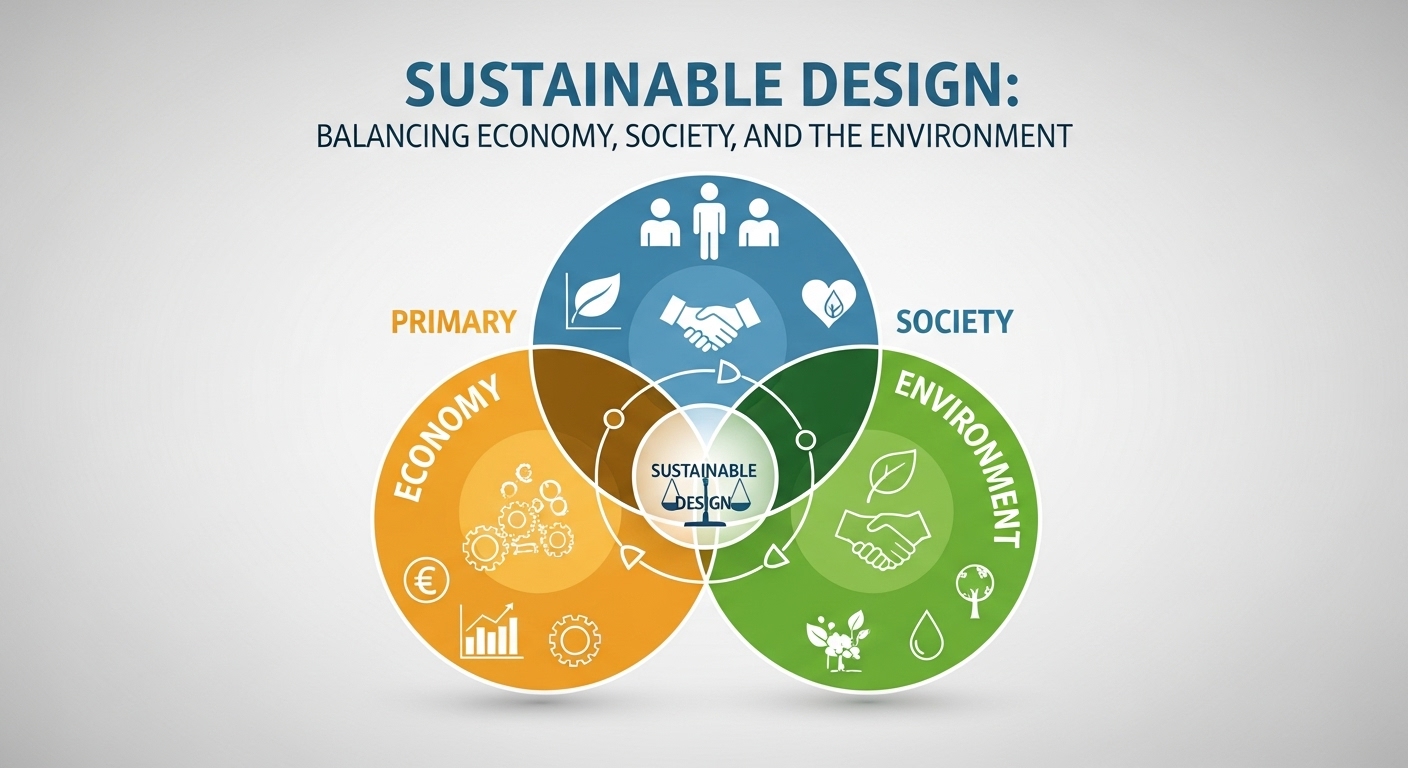
At its core, sustainable design integrates three main pillars: environmental protection, social equity, and economic sustainability. These pillars are interconnected and must be balanced to achieve true sustainability. By addressing these areas, sustainable design can help mitigate climate change, reduce waste, and promote healthier communities.
Environmental Responsibility
Environmental responsibility in sustainable design involves reducing the carbon footprint of products and buildings. This can be achieved through the use of renewable energy sources, energy-efficient designs, and sustainable materials. For instance, many architects now incorporate green building techniques that maximize natural light and ventilation to reduce energy consumption.
Moreover, sustainable design promotes the use of materials that are either recycled or derived from renewable sources. Bamboo, for instance, is a popular sustainable material because it grows rapidly and requires minimal resources. Similarly, recycled steel and reclaimed wood are often used in construction to minimize resource depletion.
Social Equity
Social equity is a key component of sustainable design, ensuring that the benefits of development are shared by all segments of society. This involves designing spaces and products that are accessible and inclusive. For example, urban planners are increasingly focusing on creating public spaces that are safe and welcoming for diverse populations, including the elderly, children, and people with disabilities.
Furthermore, sustainable design encourages community participation in the planning process, which helps to address local needs and preferences. By involving stakeholders, designers can create solutions that are culturally relevant and socially just. This participatory approach not only improves the quality of life for residents but also strengthens the social fabric of communities.
Economic Sustainability
Economic sustainability in design involves creating systems that are financially viable in the long term. This means considering the economic impacts of design decisions and ensuring that they contribute to the prosperity of communities. Sustainable design can lead to cost savings through reduced energy consumption, lower maintenance costs, and increased longevity of products and buildings.
By promoting local sourcing and manufacturing, sustainable design can also support local economies. For instance, using locally sourced materials not only reduces transportation emissions but also bolsters the economic resilience of communities by creating jobs and supporting local businesses. Organizations like the GreenBiz Group provide insights into how businesses can integrate sustainable practices to drive economic growth.
Challenges and Opportunities
While the benefits of sustainable design are clear, implementing these principles is not without challenges. One of the main barriers is the higher upfront cost associated with sustainable materials and technologies. However, these costs are often offset by long-term savings and benefits.
Another challenge is the need for increased awareness and education about sustainable design practices. By fostering a deeper understanding of sustainability, designers, architects, and developers can make informed decisions that promote environmental stewardship, social justice, and economic vitality.
Despite these challenges, sustainable design presents significant opportunities for innovation. The rise of digital technologies and smart solutions has paved the way for more efficient and sustainable systems. For example, smart building technologies can optimize energy usage and improve the comfort and safety of occupants.
Case Studies in Sustainable Design
Several case studies highlight the successful implementation of sustainable design principles. The Bullitt Center in Seattle, often dubbed the “greenest commercial building in the world,” showcases how sustainable design can be achieved at scale. The building features solar panels, rainwater harvesting, and composting toilets, demonstrating a holistic approach to sustainability.
Similarly, the city of Copenhagen has made significant strides in sustainable urban planning. With a commitment to becoming carbon neutral by 2025, Copenhagen has invested in clean energy solutions, extensive bicycle infrastructure, and sustainable public transportation systems. These initiatives not only reduce greenhouse gas emissions but also improve the quality of life for residents.
The Future of Sustainable Design
The future of sustainable design is promising, with advancements in technology and growing awareness driving its adoption. As more individuals and organizations recognize the importance of sustainability, demand for sustainable products and services is likely to increase. This creates an opportunity for designers and innovators to develop new solutions that are not only eco-friendly but also economically and socially beneficial.
Moreover, governments and regulatory bodies are increasingly supporting sustainable design through incentives and policies. This support is crucial for overcoming initial cost barriers and encouraging widespread adoption of sustainable practices.
Takeaways
Sustainable design plays a vital role in addressing the global challenges of environmental degradation, social inequality, and economic instability. By balancing the needs of the economy, society, and the environment, sustainable design offers a pathway to a more resilient and equitable future. As we continue to innovate and adopt sustainable practices, we can create a world that thrives within its environmental limits while promoting social and economic well-being.
In conclusion, embracing sustainable design is not just an option but a necessity for ensuring a sustainable future. By learning from successful examples and leveraging the power of community and technology, we can make significant strides toward a more sustainable world.
Integrating Technology into Sustainable Design
Technology plays a crucial role in advancing sustainable design. Innovations such as the Internet of Things (IoT), artificial intelligence (AI), and big data analytics are transforming how we approach design challenges. Smart sensors and IoT devices can monitor energy consumption and environmental conditions in real-time, allowing for more efficient management of resources.
AI-driven design tools can help architects and engineers simulate and analyze the environmental impact of various design choices before construction begins. These tools enable designers to optimize building performance, ensuring that energy use, water consumption, and waste generation are minimized. The integration of technology in sustainable design not only improves efficiency but also enhances the user experience, providing greater comfort and functionality.
Educating Future Designers
Education is a critical component of fostering a culture of sustainability. By incorporating sustainable design principles into educational curricula, we can prepare the next generation of designers to tackle environmental, social, and economic challenges effectively. Universities and design schools across the globe are increasingly offering specialized courses and programs focused on sustainable design.
These educational initiatives emphasize the importance of interdisciplinary collaboration, encouraging students to work across various fields such as engineering, urban planning, and environmental science. By fostering a holistic understanding of sustainability, educational institutions can cultivate innovative thinkers who are capable of developing creative and effective solutions.
The Role of Policy and Regulation
Government policies and regulations play an essential role in driving the adoption of sustainable design practices. By setting clear standards and providing incentives for sustainable development, governments can encourage businesses and individuals to adopt environmentally responsible practices. Policies that promote energy efficiency, renewable energy, and sustainable materials are particularly effective in supporting sustainable design initiatives.
For example, many countries offer tax credits and grants for green building projects and renewable energy installations. Additionally, building codes and regulations are increasingly incorporating sustainability criteria, requiring new constructions to meet specific environmental standards. Such regulatory frameworks not only accelerate the transition towards sustainability but also create a level playing field for businesses seeking to innovate and compete in the green economy.
Community Involvement in Sustainable Design
Community involvement is a cornerstone of successful sustainable design projects. Engaging local communities in the design and planning process ensures that the solutions developed are tailored to their unique needs and preferences. Participatory design approaches empower residents to contribute their insights and expertise, fostering a sense of ownership and responsibility.
Community-driven projects often lead to more equitable outcomes, as they prioritize the well-being of all residents, including marginalized and underserved populations. By collaborating with stakeholders, designers can create inclusive spaces that reflect the values and aspirations of the community. This collaborative approach not only enhances the social impact of design projects but also strengthens community ties and resilience.
Global Initiatives and Collaborations
Sustainable design is a global endeavor, requiring collaboration across borders and sectors. International organizations and networks play a vital role in facilitating knowledge exchange and promoting best practices. Initiatives such as the United Nations Environment Programme (UNEP) and the World Green Building Council (WGBC) bring together stakeholders from around the world to address sustainability challenges collectively.
These collaborations foster innovation by enabling the sharing of research, technologies, and methodologies. They also provide platforms for advocacy and capacity-building, helping to drive policy changes and encourage the adoption of sustainable practices globally. By working together, countries and organizations can accelerate progress towards a more sustainable future.
Conclusion: The Path Forward
The journey towards sustainable design is both challenging and rewarding. By embracing the principles of environmental responsibility, social equity, and economic sustainability, we can create a world that meets the needs of present and future generations. The integration of technology, education, policy, and community involvement is crucial in advancing sustainable design and achieving meaningful change.
As we continue to innovate and collaborate, sustainable design will play an increasingly vital role in shaping the built environment and influencing how we live, work, and interact with the world around us. By committing to sustainability in all aspects of design, we can pave the way for a brighter, more equitable, and resilient future.