Updated: April 11, 2026
The Evolution of Product Design: Past, Present, and Future Trends
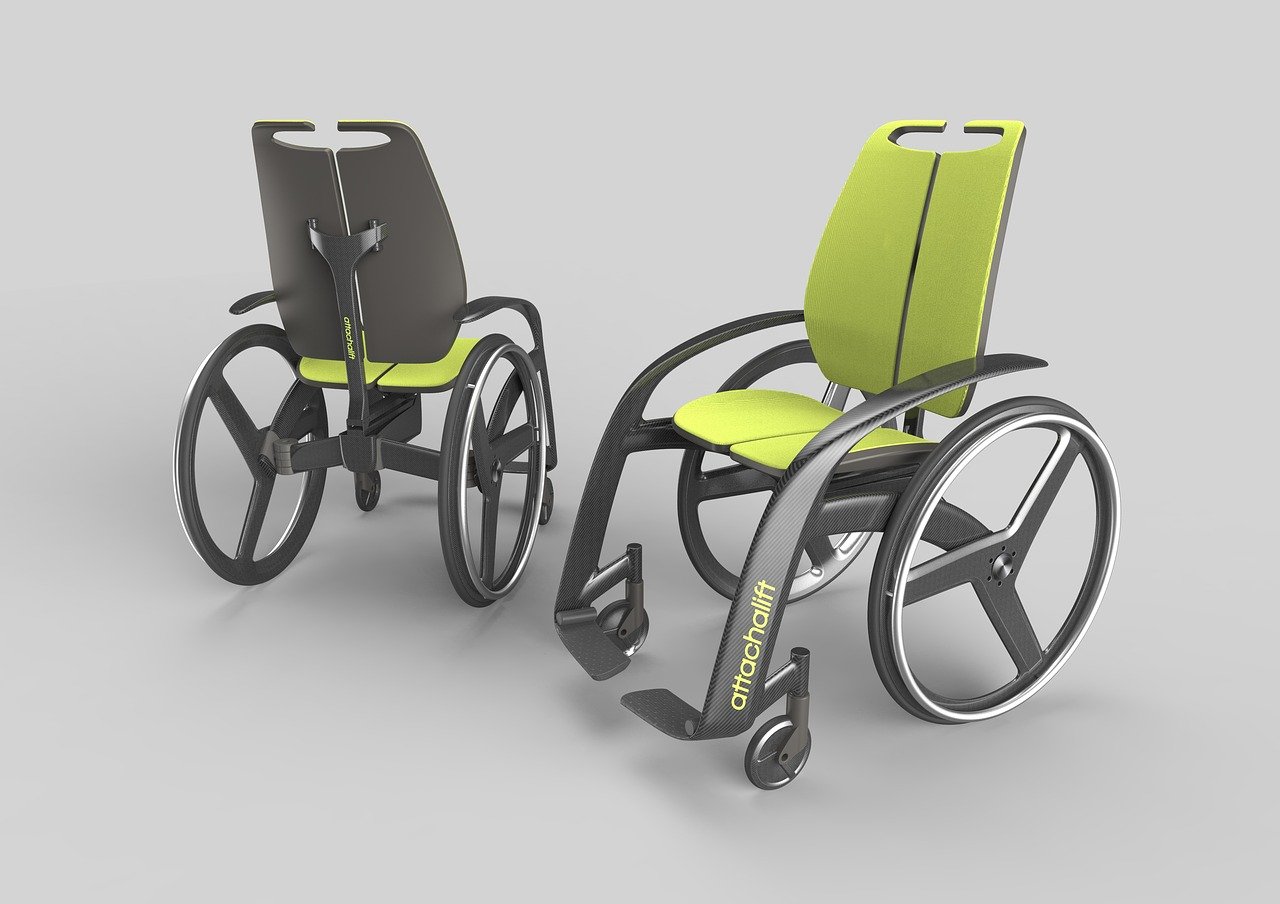
Product design is a dynamic field that has continually evolved to meet the changing needs of society and advancements in technology. From the rudimentary designs of the industrial revolution to the sophisticated, user-centric models of today, this evolution reflects a rich history of creativity and innovation. Understanding the past trends, current dynamics, and future possibilities of product design offers invaluable insight into the potential directions the industry might take. In this article, we explore the evolution of product design, highlighting its past, present, and future trends.
The Historical Roots of Product Design
The journey of product design can be traced back to the industrial revolution in the late 18th century. This era marked the transition from handmade goods to machine-produced products, laying the foundation for modern manufacturing processes. The focus was primarily on functionality and mass production. Designers like Josiah Wedgwood exemplified the era’s innovation by revolutionizing pottery manufacturing, making it more efficient and affordable.
As the industrial age progressed into the 20th century, the Bauhaus movement emerged, emphasizing the union of art and industry. The Bauhaus school in Germany was instrumental in shaping modern design philosophy by advocating for minimalist aesthetics and the integration of form and function. This movement influenced notable designers like Walter Gropius and Ludwig Mies van der Rohe, whose work continues to inspire contemporary design.
Present-Day Product Design: User-Centric and Sustainable
In the modern era, product design has shifted towards a more user-centric approach. The focus is now on creating products that offer exceptional user experiences, blending functionality, aesthetics, and usability. This shift is evident in the rise of companies like Apple, which has revolutionized how we interact with technology through intuitive design.

Moreover, sustainability has become a crucial component of product design. As environmental concerns grow, designers are challenged to create products that are not only effective but also environmentally friendly. This has led to the adoption of sustainable materials, energy-efficient manufacturing processes, and designs that minimize waste. The TED talk by Don Norman on emotional design highlights the importance of creating products that are not only functional but also resonate with users on an emotional level, advocating for a holistic approach to product design.
Technological Advancements and Their Impact on Design
Technology continues to be a driving force in the evolution of product design. The advent of computer-aided design (CAD) has transformed the way designers conceptualize and develop products, allowing for more precision and creativity. Additionally, the emergence of 3D printing technology has revolutionized prototyping, enabling rapid development and testing of product ideas.
Furthermore, the integration of artificial intelligence (AI) and machine learning into product design is opening new avenues for innovation. AI-driven design tools can analyze vast amounts of data to optimize design elements for better performance and user engagement. This technological integration is paving the way for smarter, more adaptive products that cater to individual user needs.
Future Trends: What Lies Ahead?
As we look to the future, several trends are poised to shape the next generation of product design. One such trend is the concept of the Internet of Things (IoT), which envisions a world where everyday products are interconnected, offering seamless interactions and enhanced functionality. IoT is expected to drive the development of smart home devices, wearable technology, and even smart cities.

Another promising trend is the rise of biophilic design, which seeks to incorporate elements of nature into products and spaces to improve health and well-being. This trend reflects a growing awareness of the need for environments that support mental and physical health, and is likely to influence the design of everything from consumer electronics to urban architecture.
Additionally, the increasing demand for personalized products is likely to steer the future of product design. Advances in digital fabrication and data analytics are enabling designers to create bespoke products tailored to individual preferences and needs, enhancing the overall user experience.
Takeaways
The evolution of product design is a testament to the field’s adaptability and creativity. From its industrial roots to the user-focused, sustainable designs of today, and the promising trends of tomorrow, product design continues to shape and be shaped by cultural, technological, and environmental shifts. As designers strive to create products that resonate with users and address global challenges, the field will undoubtedly continue to evolve, reflecting the ever-changing landscape of human needs and technological possibilities.
Embracing these trends and understanding their implications will be crucial for designers and businesses alike as they navigate the exciting future of product design. As the industry continues to evolve, one thing remains certain: the best is yet to come.
Challenges and Opportunities in the Future of Product Design
As the field of product design continues to evolve, designers face a myriad of challenges and opportunities that will shape the industry’s trajectory. One of the primary challenges is the need to balance innovation with sustainability. While technological advancements offer new possibilities, they also demand mindful consideration of environmental impacts. Designers must navigate this delicate balance to create products that are both cutting-edge and eco-friendly.
Another significant challenge is the rapid pace of technological change. As new tools and platforms emerge, designers must continuously update their skills and adapt to new methodologies. This requires a commitment to lifelong learning and an openness to experimenting with new ideas. However, this challenge also presents opportunities for designers to leverage technology to create more immersive and engaging user experiences.
The global nature of product markets also offers opportunities for cross-cultural design. As products reach diverse audiences, designers have the chance to create solutions that cater to a wide range of cultural preferences and practices. This calls for a deep understanding of cultural nuances and the ability to design products that resonate with a global audience. Companies that succeed in this regard often find themselves at the forefront of innovation and market leadership.
The Role of Collaboration in Product Design
Collaboration is increasingly becoming a cornerstone of successful product design. The complexity of modern products often requires input from multidisciplinary teams, including engineers, marketers, and user experience specialists. This collaborative approach ensures that all aspects of a product’s design are considered, resulting in more holistic and well-rounded solutions.
Moreover, collaboration extends beyond internal teams to include partnerships with external stakeholders, such as suppliers, customers, and even competitors. These collaborations can drive innovation by fostering the exchange of ideas and resources. Open-source design initiatives, for example, allow designers to build upon existing ideas and technologies, accelerating the development process and fostering creativity.
Embracing Human-Centered Design
Human-centered design (HCD) has emerged as a fundamental principle in modern product design. This approach prioritizes the needs, desires, and limitations of end-users at every stage of the design process. By focusing on empathy and understanding user experiences, designers can create products that truly resonate with their intended audience.
HCD involves iterative testing and refinements based on user feedback, ensuring that products evolve to meet changing needs and expectations. This approach not only improves the functionality and usability of products but also enhances user satisfaction and loyalty. As a result, HCD is likely to remain a central tenet of product design in the years to come.
Conclusion: The Future Awaits

As we look to the future of product design, it is clear that the field is poised for exciting developments. The convergence of technology, sustainability, and user-centric approaches will continue to drive innovation and redefine what is possible. Designers who embrace these trends and challenges will be well-positioned to create products that not only meet the needs of today but also lay the groundwork for the innovations of tomorrow.
In conclusion, the evolution of product design is a testament to the power of creativity, collaboration, and adaptability. As designers continue to push the boundaries of what is possible, they will undoubtedly play a crucial role in shaping the future. Whether it’s through the development of smart, connected products, the integration of sustainable practices, or the creation of personalized user experiences, the future of product design holds immense potential. The journey is far from over, and the best chapters are yet to be written.
Innovative Tools and Techniques Shaping the Future
As product design continues to evolve, innovative tools and techniques are emerging to assist designers in crafting more efficient and impactful products. Virtual reality (VR) and augmented reality (AR) are two such technologies that are making significant inroads into the design process. By providing immersive environments for visualization and testing, these technologies allow designers to explore concepts in three dimensions, enabling a more thorough understanding of how products will function in real-world scenarios.
Additionally, the integration of AI-driven design tools is revolutionizing the way designers approach problem-solving. These tools can analyze large datasets to identify patterns and insights that inform design decisions, leading to more data-driven and optimized outcomes. By automating routine tasks, AI also frees designers to focus on more creative and strategic aspects of the design process.
Furthermore, the rise of parametric design is allowing for the creation of complex and dynamic forms that were previously difficult to achieve. Parametric design uses algorithms to manipulate and generate design elements, offering a high level of flexibility and customization. This approach is particularly beneficial in fields such as architecture and industrial design, where intricate structures and unique forms are often required.
The Importance of Ethical Design in the Modern Era
In today’s rapidly changing world, ethical considerations have become a critical aspect of product design. Designers are increasingly called upon to consider the broader societal impact of their creations, from privacy and data security to inclusivity and accessibility. Ethical design requires a commitment to transparency, fairness, and the well-being of users and communities.
One area where ethical design is particularly crucial is in the development of digital products. As technology becomes more integrated into our daily lives, issues such as data privacy and algorithmic bias have come to the forefront. Designers must ensure that their products protect user data and provide equitable experiences for all users, regardless of demographic factors.
Furthermore, the push for inclusivity in design is gaining momentum. This involves creating products that are accessible to people with a wide range of abilities and backgrounds. By prioritizing inclusivity, designers can create more meaningful and impactful products that serve a diverse user base.
Final Thoughts on the Evolution of Product Design
The journey of product design is one of continuous transformation, driven by technological advancements, shifting consumer demands, and an increasing focus on sustainability and ethics. As designers navigate this complex landscape, they are tasked with balancing innovation with responsibility, creativity with functionality, and personalization with inclusivity.
The evolution of product design is not just about creating better products; it is about reimagining the possibilities of what products can achieve in enhancing human experiences and addressing global challenges. By embracing new technologies, fostering collaboration, and maintaining a steadfast commitment to ethical principles, the design community is well-equipped to shape a future that is both innovative and equitable.
As we continue to explore the potential of product design, it is clear that the field remains a dynamic and exciting area of exploration. The future promises to bring new challenges and opportunities, and those who are willing to adapt, learn, and innovate will play a pivotal role in crafting the next chapter of product design’s evolution. The journey is ongoing, and the future is bright.